1-716-427-0892  |  Mon-Fri: 8AM - 3PM (EST)  |  Sat & Sun: Closed

Retracting Bids in Online Auctions: What You Need to Know

Online auctions have grown in popularity for their convenience and wide range of items, but with the ease of bidding comes important questions about the rules and responsibilities. One of the most common inquiries is whether it’s possible to retract a bid. Whether you’re a first-time bidder or a seasoned auction participant, understanding the guidelines for retracting a bid is crucial to avoid misunderstandings and potential penalties. In this article, we will explore when and how you can retract a bid in an online auction, along with best practices to help you navigate this process smoothly.


Understanding the Basics of Bidding

When you place a bid in an online auction, you are committing to purchasing the item at that price, assuming you win the auction. However, auction rules vary, and sometimes you may need to retract a bid. Common reasons for wanting to retract a bid include:

  • Mistaken Bids: Typing errors, such as placing a bid at the wrong price or on the wrong item.
  • Changed Circumstances: New information that might influence your decision, such as discovering additional fees or realizing you can no longer afford the item.
  • Technical Errors: Connectivity issues that lead to bidding mistakes.

It’s important to understand that retraction is not always allowed and may come with penalties or consequences.


When Can You Retract a Bid in an Online Auction?

  1. Before the Auction Ends
    In most online auctions, you can retract a bid only before the auction has closed. If the auction has already ended and you’ve won, you are legally bound to complete the transaction according to the platform’s rules.
  2. Auction Platform Policies
    Each auction platform has its own rules regarding bid retraction. For example, on platforms like eBay, you can retract a bid under specific circumstances such as:
    • You made an error in your bid.
    • The item description was unclear or misleading.
    • You have a valid emergency that prevents you from following through.
  3. Time Window for Retraction
    Some auction platforms allow bid retraction within a small window, typically a few minutes after placing the bid, provided you act quickly. Others may have more relaxed guidelines depending on the situation.
  4. Conditions for Retraction
    In some cases, you may need to provide an explanation for why you are retracting your bid. This is often true when the auction has already attracted other bids.

Best Practices for Avoiding the Need to Retract a Bid

To minimize the likelihood of having to retract a bid, follow these best practices:

  • Double-Check Before Bidding: Always verify the item’s details and the bid amount before submitting your bid.
  • Use Confirmation Features: Some platforms have confirmation steps that prompt you to review your bid. Take advantage of these features to ensure everything is correct.
  • Set a Maximum Bid: Pre-set your maximum bid to avoid accidental increases during the auction.
  • Stay Connected: Ensure you have a stable internet connection while bidding to avoid technical issues that could lead to errors.

Consequences of Retracting a Bid

Although it might seem like a simple process, retracting a bid can have consequences, such as:

  • Loss of Trust: Sellers and other bidders may lose confidence in your reliability, which could make it more difficult to win future auctions.
  • Penalties or Bans: Many auction platforms impose penalties for bid retraction, such as temporarily suspending your account or blocking future bidding opportunities.

Conclusion

Understanding when and how to retract a bid is essential for anyone participating in online auctions. While some platforms allow retraction under specific conditions, it’s always best to bid carefully to avoid errors. Following auction rules and being transparent about your intentions ensures a smooth experience for both buyers and sellers.

If you’re looking to participate in a transparent, user-friendly auction platform, explore Libra Liquidity’s offerings. Visit libraliquidity.com or start bidding now at bidding.libraliquidity.com for an auction experience that prioritizes fairness and clarity.

Revolutionizing Trade: Auctioneers in the Modern World

Auctioneers have always played a pivotal role in the commerce landscape, acting as intermediaries and facilitators of trade. However, in today’s rapidly evolving marketplace, their role has expanded significantly. The digital revolution, globalization, and technological advancements have transformed auctions into dynamic, tech-driven events. This article explores the evolving role of auctioneers and their importance in the modern marketplace.


The Traditional Role of Auctioneers

Traditionally, auctioneers were responsible for:

  • Setting the stage for auctions: Organizing and presenting items for sale.
  • Encouraging participation: Using their persuasive skills to drive bids higher.
  • Ensuring fairness: Upholding auction rules and maintaining transparency.

While these functions remain, the modern auctioneer now juggles a more complex array of responsibilities.


How Auctioneers Are Adapting to the Modern Marketplace

  1. Leveraging Technology for Enhanced Reach
    Auctioneers now use digital platforms to connect with global audiences. Online auctions have grown by over 50% in the last five years, enabling participants from across the world to bid in real time.
  2. Adopting Data-Driven Strategies
    Modern auctioneers analyze market trends, bidder behavior, and historical data to optimize pricing strategies and predict outcomes. These insights help sellers maximize returns and buyers make informed decisions.
  3. Creating Seamless User Experiences
    With user-friendly online platforms, auctioneers ensure that buyers and sellers enjoy seamless navigation, transparent bidding, and quick payment processes.
  4. Enhancing Transparency with Blockchain
    Many auctioneers are integrating blockchain technology to create immutable transaction records, ensuring trust and eliminating fraud concerns.

Case Study: Libra Liquidity’s Modern Approach

Libra Liquidity exemplifies the modern auctioneer’s role. By combining traditional expertise with cutting-edge technology, the company has achieved:

  • A 40% increase in bidder participation through their user-friendly online platform.
  • Enhanced trust by adopting blockchain for transparent and secure transactions.
  • Real-time analytics that empower sellers to set competitive reserve prices.

Explore our advanced auction solutions at libraliquidity.com


The Importance of Auctioneers Today

Auctioneers now serve as:

  • Market Facilitators: Connecting buyers and sellers in competitive environments.
  • Technology Adopters: Using AI, blockchain, and big data to innovate auction processes.
  • Global Ambassadors: Bridging regional markets and creating opportunities worldwide.

The Role of Cryptocurrency in Auction Evolution

The world of industrial auctions is experiencing a digital revolution, and cryptocurrency is at the heart of this transformation. With its decentralized nature, enhanced security, and seamless global transactions, cryptocurrency is reshaping how industrial auctions operate. This article delves into the impact of cryptocurrency on industrial auctions, highlighting its benefits, challenges, and future potential.


Why Cryptocurrency Matters in Industrial Auctions

Cryptocurrency offers unique advantages that address long-standing challenges in the auction industry, such as cross-border transactions, security concerns, and speed. Key benefits include:

  • Global Accessibility: Cryptocurrency enables participants from different countries to bid without worrying about currency exchange rates or transaction delays.
  • Enhanced Security: Blockchain technology ensures transparency and minimizes fraud risks.
  • Faster Transactions: Payments settle instantly, eliminating the delays associated with traditional banking systems.

How Cryptocurrency is Changing Auction Dynamics

  1. Seamless Cross-Border Bidding Traditional auctions often face hurdles with international participants, including currency conversions and payment delays. Cryptocurrencies like Bitcoin or Ethereum enable fast, secure, and borderless transactions, making auctions more inclusive.
  2. Increased Transparency Blockchain technology provides an immutable record of transactions, fostering trust between buyers and sellers. This transparency reduces disputes and enhances the credibility of auction platforms.
  3. Lower Transaction Costs Cryptocurrency transactions often involve lower fees compared to traditional banking systems, especially for international payments. This cost-efficiency benefits both buyers and sellers.

Case Study: Cryptocurrency in Industrial Auctions

An international heavy machinery auction house integrated cryptocurrency payments and observed the following results:

  • A 30% increase in global participation, as bidders from previously underrepresented regions joined.
  • Reduced transaction processing time by 40%, enabling faster settlements.
  • Enhanced buyer confidence due to blockchain-backed transparency.

Challenges to Overcome

While cryptocurrency offers numerous benefits, it also presents challenges:

  • Volatility: Price fluctuations can impact the final value of transactions.
  • Regulatory Uncertainty: Varying regulations across countries can complicate adoption.
  • Learning Curve: Auction participants may need education on using cryptocurrency effectively.

Tips for Leveraging Cryptocurrency in Auctions

To make the most of cryptocurrency in industrial auctions:

  • Choose a Reputable Platform: Work with auction houses like Libra Liquidity that support secure cryptocurrency transactions.
  • Stay Informed on Regulations: Understand local and international laws governing cryptocurrency usage.
  • Diversify Payment Options: Combine cryptocurrency with traditional payment methods to cater to all participants.

Libra Liquidity: Leading the Way in Auction Innovation

At Libra Liquidity, we embrace the power of cryptocurrency to transform the auction experience. Our platform ensures secure, transparent, and seamless transactions, empowering bidders and sellers worldwide. Learn more at libraliquidity.com or participate in live auctions at bidding.libraliquidity.com.


Conclusion

Cryptocurrency is revolutionizing the industrial auction market, breaking down barriers and introducing unprecedented efficiency and security. By staying ahead of these trends, auction participants can unlock new opportunities and thrive in this evolving landscape. Ready to explore the future of auctions? Partner with Libra Liquidity today and experience the benefits of cryptocurrency-driven innovation.

Why Businesses Love Online Auctions for Electrical Equipment

The industrial electrical industry is undergoing a seismic shift, with online auctions revolutionizing the way businesses buy and sell equipment. As digital platforms streamline transactions and expand market access, these auctions are becoming a cornerstone for efficiency, affordability, and sustainability. This article delves into how online auctions are reshaping the industrial electrical landscape and why your business should leverage this game-changing opportunity.


The Traditional Approach vs. Online Auctions

For decades, industrial electrical equipment procurement followed a traditional model: lengthy negotiations, limited market exposure, and time-consuming logistics. While effective in its era, this approach often resulted in higher costs and restricted access to potential buyers and sellers.

Online auctions have disrupted this paradigm by offering:

  • Global Reach: Connect with a worldwide audience of buyers and sellers.
  • Efficiency: Conduct transactions faster without geographical constraints.
  • Transparency: Buyers and sellers benefit from clear pricing mechanisms.

Benefits of Online Auctions for the Industrial Electrical Industry

1. Broader Market Access

Traditional markets limit sellers to local or regional buyers, often resulting in unsold inventory. Online platforms like Bidding.LibraLiquidity.com connect sellers with a global audience, increasing the likelihood of successful transactions.

2. Cost-Effective Solutions

Online auctions eliminate middlemen and reduce operational costs. Buyers often secure high-quality, pre-owned equipment at a fraction of the price, while sellers gain a competitive marketplace to offload surplus.

3. Sustainability in Action

The reuse of industrial electrical equipment aligns with the principles of the circular economy, reducing waste and promoting resource efficiency. Auctions provide a sustainable avenue for extending the lifecycle of valuable assets.


Real-World Impact: Case Studies and Statistics

  • Example 1: A U.S.-based manufacturing firm reduced surplus inventory by 60% through online auctions, increasing revenue by $500,000 annually.
  • Example 2: Buyers in Europe saved up to 40% on refurbished switchgear purchases through platforms like Libra Liquidity.
  • Stat: The global online auction market for industrial equipment is projected to grow at a CAGR of 6.7% from 2024 to 2030, highlighting its expanding influence.

Why Businesses Are Embracing Online Auctions

Transparency and Fair Pricing

Online auctions foster trust with clear, competitive bidding. Sellers can set reserve prices, while buyers have visibility into the bidding process, ensuring fair transactions.

Convenience and Accessibility

With digital platforms, businesses can participate in auctions 24/7, from anywhere in the world. Features like detailed equipment descriptions, photos, and inspection reports enhance confidence in purchases.

Technology-Driven Insights

AI and data analytics on auction platforms help buyers discover trends, track prices, and identify opportunities, optimizing their procurement strategies.


Getting Started with Online Auctions

For those new to online auctions, here’s how to maximize your experience:

  1. Research Platforms: Choose reputable platforms like Libra Liquidity for trustworthy transactions.
  2. Understand the Process: Familiarize yourself with bidding procedures, reserve prices, and payment terms.
  3. Inspect Listings: Review equipment details, including certifications and condition reports, before bidding.

Conclusion: The Future is Online

As the industrial electrical industry continues to evolve, online auctions are revolutionizing the way businesses operate. By offering unmatched efficiency, sustainability, and global access, these platforms are essential tools for staying competitive. Don’t miss the opportunity to transform your procurement and sales strategies.

Visit LibraLiquidity.com to learn more or start exploring auctions today at Bidding.LibraLiquidity.com.

The Connection Between Supply Chain and Auction Success

The global supply chain landscape has faced unprecedented disruptions in recent years, affecting industries worldwide. For businesses participating in industrial electrical auctions, these challenges have created both obstacles and opportunities. Understanding the impact of global supply chain challenges on industrial electrical auctions is key to navigating this evolving landscape and leveraging auctions for success.


How Supply Chain Challenges Are Reshaping Industrial Auctions

Global supply chain disruptions, such as shipping delays, material shortages, and rising costs, have significantly influenced industrial electrical auctions. Here’s how these challenges are reshaping the auction environment:

1. Increased Demand for Auctioned Equipment

Supply chain delays have driven businesses to seek faster, more accessible alternatives to sourcing new equipment. Auctions provide an immediate solution by offering surplus and pre-owned electrical equipment.

2. Rising Costs Create New Opportunities

As the cost of manufacturing and logistics increases, many companies are looking to liquidate excess inventory through auctions to recover capital. Buyers, in turn, find these auctions a cost-effective way to acquire essential equipment.

3. Global Reach Amplified

With international supply chains under strain, online auction platforms like Bidding.LibraLiquidity.com bridge the gap by connecting global buyers and sellers in real time, minimizing the impact of geographical barriers.


Real-World Impacts: Case Studies and Statistics

  • Example 1: A North American manufacturing firm used online auctions to source industrial circuit breakers after experiencing a six-month delay from traditional suppliers. The auction allowed them to secure equipment in just three weeks.
  • Example 2: According to industry reports, the use of industrial auctions increased by 40% during major supply chain disruptions in 2021, showcasing their growing relevance in uncertain markets.
  • Stat: Businesses that turn to auctions reduce procurement lead times by an average of 30%, making them a critical resource during supply chain bottlenecks.

Benefits of Auctions Amid Supply Chain Disruptions

1. Flexibility and Speed

Auctions provide immediate access to equipment, bypassing lengthy manufacturing and shipping delays.

2. Cost Efficiency

Auctioned equipment often costs less than newly manufactured items, helping businesses mitigate budget constraints caused by rising supply chain expenses.

3. Sustainability

By repurposing surplus or pre-owned equipment, auctions align with the principles of the circular economy, reducing waste and environmental impact.


Tips for Success in Industrial Electrical Auctions

  1. Stay Updated on Auction Listings
    • Platforms like Libra Liquidity offer regular updates on available items. Subscribing to alerts ensures you never miss an opportunity.
  2. Thoroughly Review Listings
    • Check item descriptions, certifications, and conditions to make informed bids.
  3. Be Prepared to Act Quickly
    • Auctions often have limited timelines, so decisive action is key to securing the best deals.

The Role of Libra Liquidity in Navigating Challenges

As a leader in industrial electrical auctions, Libra Liquidity helps businesses overcome global supply chain challenges by offering:

  • A diverse selection of high-quality equipment.
  • A seamless online bidding experience.
  • Access to a global network of buyers and sellers.

With platforms like Bidding.LibraLiquidity.com, businesses can navigate supply chain uncertainties with confidence.


Conclusion: Adapting to the New Normal

The impact of global supply chain challenges on industrial electrical auctions is profound, but it also presents unique opportunities for businesses to adapt and thrive. By leveraging auctions, companies can secure essential equipment faster, more affordably, and sustainably.

Ready to overcome supply chain hurdles? Explore the benefits of industrial electrical auctions with Libra Liquidity and start bidding today at Bidding.LibraLiquidity.com. Take control of your supply chain challenges now!

From Bids to Benefits: Industrial Equipment Success Stories

Industrial auctions are more than just a marketplace for surplus equipment—they are hubs of innovation, sustainability, and cost-saving solutions. Success stories of reusing industrial equipment demonstrate how businesses transform auctioned assets into valuable resources that power productivity and profitability. This article highlights compelling examples and actionable insights to inspire your business journey.


Why Reusing Industrial Equipment Matters

Reusing industrial equipment purchased at auctions offers numerous advantages, including:

  • Cost Savings: Pre-owned equipment is often significantly cheaper than brand-new alternatives.
  • Sustainability: Extending the lifecycle of machinery aligns with circular economy principles and reduces waste.
  • Efficiency Gains: Auctions provide access to ready-to-use equipment, cutting down lead times.

Success Stories of Reusing Industrial Equipment

1. A Manufacturing Revival

A small manufacturing firm in Ohio faced budget constraints while upgrading its operations. By purchasing second-hand CNC machines at Bidding.LibraLiquidity.com, they saved 40% compared to new equipment costs. The machines were operational within weeks, boosting production by 25%.

2. Building Sustainable Energy Solutions

A renewable energy startup sourced surplus transformers and circuit breakers via Libra Liquidity’s auctions. These purchases enabled them to launch a wind energy project at 30% less than projected costs. Their use of auctioned equipment highlighted a commitment to both cost-efficiency and sustainability.

3. Supporting Rapid Expansion

A logistics company expanded its operations by acquiring warehouse shelving and conveyor systems through industrial auctions. With immediate availability and reduced pricing, the company scaled its storage facilities quickly and cost-effectively.


Key Benefits of Reusing Auctioned Equipment

1. Immediate Availability

Auctioned equipment is typically available for immediate purchase and use, bypassing the long lead times of manufacturing.

2. Budget-Friendly Solutions

For businesses on tight budgets, auctions offer access to high-quality machinery at a fraction of the cost.

3. Environmental Impact

Reusing industrial equipment minimizes the demand for new manufacturing, reducing environmental strain and promoting sustainable practices.


How to Maximize Success with Auctioned Equipment

  1. Research Thoroughly
    • Review the specifications, condition, and maintenance history of equipment before bidding.
    • Platforms like Libra Liquidity provide detailed descriptions and photos to aid decision-making.
  2. Inspect and Test
    • Whenever possible, inspect the equipment or request an evaluation report to ensure quality and functionality.
  3. Plan for Integration
    • Have a clear plan for how the equipment will integrate into your operations. This ensures a smooth transition from auction floor to factory floor.

Statistics: The Growing Appeal of Industrial Auctions

  • 60% of businesses report significant cost savings by purchasing used equipment from auctions.
  • 30% faster project launches are reported by companies sourcing equipment from auction platforms.
  • 40% reduction in waste is achieved by reusing auctioned industrial machinery, contributing to sustainability goals.

Conclusion: Unlock Value Through Industrial Auctions

The success stories of reusing industrial equipment highlight the transformative power of industrial auctions. Whether reducing costs, improving efficiency, or advancing sustainability goals, auctioned equipment has proven to be a valuable asset for businesses worldwide.

Ready to transform your operations? Explore the possibilities at Libra Liquidity and start bidding today at Bidding.LibraLiquidity.com. Your next success story starts with a winning bid!

What Really Happens After the Gavel Falls in Auctions

Industrial electrical auctions are exciting events, with competitive bidding and quick decisions often leading to incredible deals. But what happens next? What happens after the gavel falls is just as critical as the auction itself. This article takes you behind the scenes, breaking down the post-auction process and how platforms like Bidding.LibraLiquidity.com ensure a seamless experience for buyers and sellers alike.


The Journey Begins After the Final Bid

When the gavel falls, the auction isn’t truly over. The post-auction phase involves several essential steps that ensure both buyers and sellers are satisfied with their transactions. Here’s a detailed look at what happens next:


Payment and Financial Processes

1. Winning Bid Confirmation

The first step involves notifying the winning bidder. An email or notification from the auction platform confirms their winning bid and provides instructions for the next steps.

2. Payment Collection

Platforms like Libra Liquidity handle payment collection securely. Buyers typically have a set time frame, often 24-72 hours, to complete payment.

  • Pro Tip for Buyers: Have your payment method pre-approved to avoid delays.

3. Seller Payout

Once the buyer’s payment is processed, the seller receives their payout, minus platform fees or any applicable charges.


Logistics and Equipment Transfer

1. Arranging Pickup or Shipping

  • Buyers are responsible for arranging transportation or shipping of the purchased equipment.
  • Many platforms offer logistics assistance or recommend trusted third-party services.

2. Inspection Before Pickup

Buyers often inspect the equipment in person or via video call before finalizing the transfer, ensuring it matches the auction listing.

3. Documentation Handoff

Sellers provide necessary documents, such as warranties, manuals, or maintenance records, to the buyer during this stage.


Resolving Disputes (If Any)

1. Condition Discrepancies

If there’s a dispute about the equipment’s condition, auction platforms mediate to find a resolution.

2. Refunds or Adjustments

In rare cases, if the equipment is significantly different from the listing, buyers may request a partial refund or return.


Real-World Insights: Case Studies

Example 1: A construction firm purchased surplus electrical panels through Bidding.LibraLiquidity.com. After the auction, the platform assisted in coordinating shipping and ensured the panels arrived in perfect condition within five days.

Example 2: A seller liquidating unused industrial transformers received their payout within 48 hours of the auction’s conclusion, allowing them to reinvest quickly in new equipment.


Benefits of a Well-Managed Post-Auction Process

  1. Efficiency: Streamlined steps ensure transactions are completed quickly.
  2. Transparency: Clear communication minimizes misunderstandings.
  3. Customer Satisfaction: Support from platforms like Libra Liquidity builds trust.

Tips for Buyers and Sellers After the Auction

For Buyers:

  • Review terms and conditions for payments and logistics.
  • Inspect the equipment thoroughly during pickup.
  • Maintain open communication with the seller and platform.

For Sellers:

  • Prepare documentation and equipment for a smooth handover.
  • Ensure transparency in item descriptions to avoid disputes.
  • Respond promptly to buyer queries post-auction.

Conclusion: Seamless Transactions Begin After the Gavel Falls

The post-auction process is the backbone of successful industrial electrical auctions. Platforms like Libra Liquidity ensure every transaction is secure, efficient, and transparent, benefiting both buyers and sellers. Understanding what happens after the gavel falls allows participants to navigate auctions with confidence and ease.

Ready to join the action? Explore upcoming auctions at Bidding.LibraLiquidity.com today and discover how seamless industrial equipment transactions can be.

The Truth About Auction Fees: What You Should Know

Auction platforms offer incredible opportunities for both buyers and sellers, but understanding the associated fees is crucial to making informed decisions. Understanding auction fees: what buyers and sellers need to know can save you time, money, and frustration while maximizing your benefits. This comprehensive guide breaks down the key fees, what they mean, and how to navigate them effectively.


Why Understanding Auction Fees Is Important

Auction fees ensure the smooth operation of platforms like Bidding.LibraLiquidity.com. Knowing what to expect helps buyers budget wisely and allows sellers to accurately calculate their net returns. With transparency and planning, these fees become a manageable part of the process.


Common Auction Fees for Buyers

1. Buyer’s Premium

The buyer’s premium is an additional fee paid by the buyer, calculated as a percentage of the final bid. For example:

  • Final bid: $10,000
  • Buyer’s premium (10%): $1,000
  • Total cost: $11,000

2. Payment Processing Fees

Some platforms charge processing fees for payments made via credit cards or other methods. These fees are usually a small percentage of the transaction amount.

3. Shipping and Logistics Costs

Buyers are often responsible for arranging transportation or paying for shipping. These costs can vary depending on the size and weight of the purchased equipment.


Common Auction Fees for Sellers

1. Seller’s Commission

Sellers typically pay a commission based on the final sale price. For instance:

  • Sale price: $20,000
  • Seller’s commission (5%): $1,000
  • Net payout: $19,000

2. Listing Fees

Some auction platforms charge a flat fee to list items, covering the cost of marketing and promoting the listing.

3. Storage Fees

If items remain unsold or need to be stored before pickup, sellers may incur storage fees.

4. Reserve Price Fees

Setting a reserve price (minimum acceptable bid) may come with an additional fee to ensure the item isn’t sold below value.


Real-World Examples of Auction Fee Impacts

Case Study 1: Buyer Perspective A manufacturing company purchased industrial transformers for $50,000. Including a 10% buyer’s premium and $3,000 in logistics costs, their total expenditure was $58,000—still 25% cheaper than buying new equipment.

Case Study 2: Seller Perspective A seller auctioned surplus electrical panels for $15,000. After a 5% seller’s commission and a $150 listing fee, they netted $14,100, which they reinvested into their business.


Tips for Managing Auction Fees

  1. Budget Wisely
    • Buyers should calculate the total cost, including premiums and logistics, before bidding.
  2. Choose the Right Platform
    • Sellers should compare platforms to find competitive commission rates. Platforms like Libra Liquidity offer transparent pricing structures.
  3. Review Terms and Conditions
    • Understanding the fee structure helps you avoid surprises after the auction.

The Benefits of Transparent Auction Fees

Transparency in auction fees builds trust between buyers, sellers, and platforms. Platforms like Bidding.LibraLiquidity.com provide detailed breakdowns of all costs, ensuring a seamless experience for all parties involved.


Conclusion: Make Auction Fees Work for You

Understanding auction fees: what buyers and sellers need to know is essential for maximizing your returns and minimizing unexpected costs. With careful planning and the right platform, auctions can be a highly rewarding experience.

Ready to explore opportunities? Visit Libra Liquidity to learn more or browse upcoming auctions at Bidding.LibraLiquidity.com. Whether you’re buying or selling, knowledge is your greatest asset.

The Auction Advantage: Selling Electrical Equipment Quickly and Easily

In the fast-paced industrial world, the ability to sell unused or surplus electrical equipment efficiently is crucial. Selling electrical equipment quickly and easily has become a reality, thanks to the rise of online auction platforms. These platforms offer unparalleled speed, convenience, and global reach, making them the go-to solution for businesses looking to maximize value while minimizing effort. This article explores the auction advantage and why it’s transforming the way electrical equipment is sold.


Why Choose Auctions for Selling Electrical Equipment?

Online auctions simplify the process of selling electrical equipment, offering several key benefits over traditional sales methods:

  1. Speedy Transactions
    • Auctions are designed for rapid turnover. With predefined timelines, sellers know exactly when their equipment will be sold, eliminating the uncertainty of long sales cycles.
  2. Global Audience
    • Platforms like Bidding.LibraLiquidity.com connect sellers with a vast network of buyers from around the world, increasing the likelihood of finding the right buyer quickly.
  3. Transparent Pricing
    • Auctions foster competitive bidding, ensuring sellers receive fair market value for their equipment.
  4. Convenience
    • From listing items to finalizing sales, online auctions handle the heavy lifting, allowing sellers to focus on their core business activities.

The Auction Process: How It Works

1. Listing Your Equipment

Sellers start by creating a detailed listing of their electrical equipment, including descriptions, photos, and certifications. Accurate information attracts more buyers and ensures a smooth process.

2. Bidding Begins

Once listed, items are presented to a global audience. Buyers place competitive bids, driving the price up to its fair market value.

3. Sale Completion

At the end of the auction, the highest bidder wins, and the platform facilitates payment and logistics, ensuring a seamless transaction for both parties.


Case Study: Real-World Auction Success

Example: A manufacturing company in Texas had surplus circuit breakers and transformers after upgrading its facility. Using Libra Liquidity, they listed the equipment in an online auction. Within 14 days, all items were sold, generating $50,000 in revenue and saving significant storage costs.

Statistic: Online auctions reduce time-to-sale by 30% compared to traditional methods, according to industry research.


Tips for Selling Electrical Equipment Quickly and Easily

  1. Provide Detailed Descriptions
    • Include specifications, condition, and certifications to give buyers confidence in their purchase.
  2. Use High-Quality Photos
    • Clear, well-lit images make your listings stand out and attract more bidders.
  3. Set Realistic Expectations
    • Work with the auction platform to set appropriate reserve prices, ensuring you meet your revenue goals.
  4. Choose the Right Platform

Why Libra Liquidity is the Ideal Partner

Libra Liquidity specializes in connecting sellers with serious buyers in the industrial electrical space. With years of experience, cutting-edge technology, and a commitment to customer success, they make selling electrical equipment quickly and easily a reality.


Conclusion: Simplify Your Sales with Auctions

Selling surplus electrical equipment doesn’t have to be a hassle. Online auctions provide a fast, easy, and profitable solution that benefits both sellers and buyers. If you’re ready to experience the auction advantage, explore Libra Liquidity today and list your equipment on Bidding.LibraLiquidity.com. Don’t let your equipment gather dust—turn it into revenue now!

How to: Seamless Integrated Payments


How to Add Payment method:

1. Navigate to My Account, and click Payment Methods


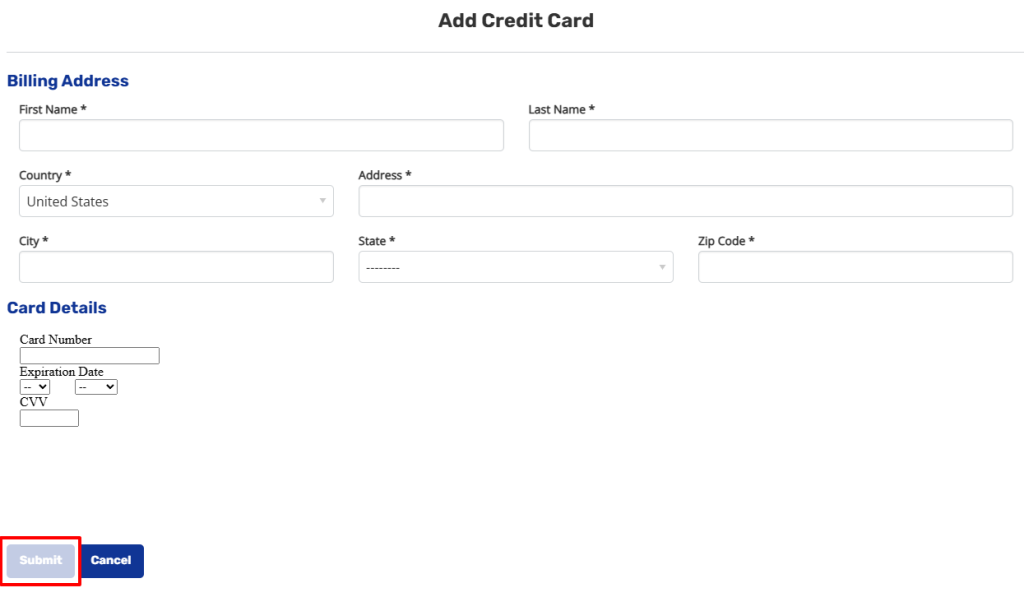
2. Click Add new Payment Method:


3. Fill out all the required details, and click submit:


4. Success you have added a payment method!


How to Pay an invoice:

1. First Click on Account, and go to Invoices:

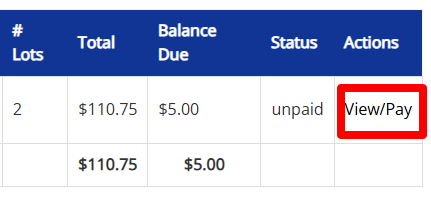
2. Click View/Pay on any invoice:

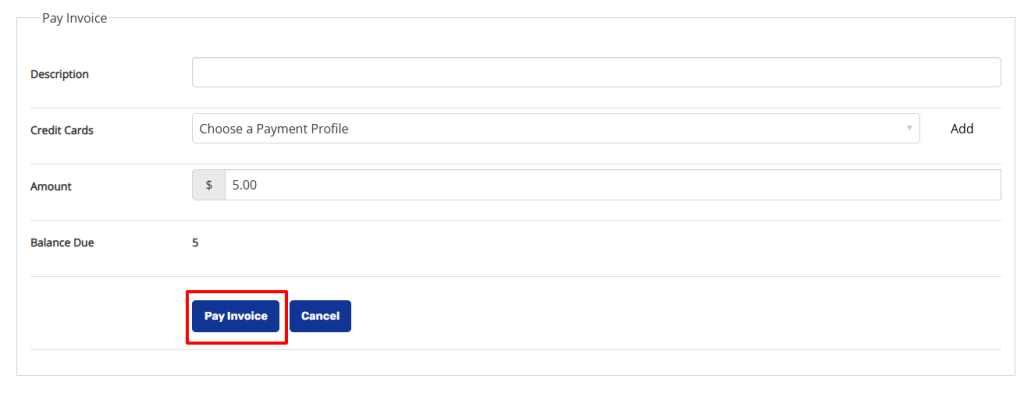
3. Click Pay invoice:

4. Select your payment profile, fill out the amount (balance due will auto populate in this field) and click Pay Invoice.

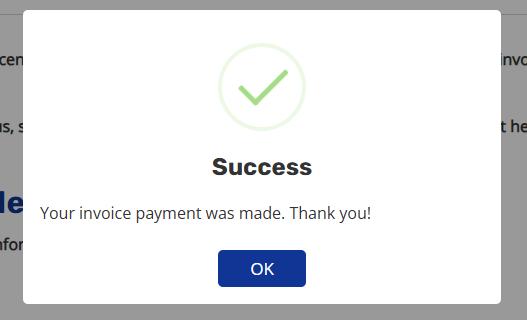
5. Success! You have paid your invoice!

Note: We do not require a deposit, nor do we auto charge any payment method added.