1-716-427-0892  |  Mon-Fri: 8AM - 3PM (EST)  |  Sat & Sun: Closed

Save Smarter, Not Harder: The Emotional Edge of Industrial Auction Wins

While cost savings are a primary advantage, industrial auctions offer more than just financial benefits. Here’s why they’ve become an indispensable resource for many companies:

1. Reliable Inventory in Challenging Times

In an era marked by supply chain disruptions, auctions provide a reliable source of inventory. Libra Liquidity Auctions connects buyers with a steady stream of high-demand products, ensuring businesses can continue operating without delays.

2. Sustainability

Auctions promote the reuse and repurposing of equipment, reducing waste and supporting environmental sustainability. For companies prioritizing eco-friendly practices, purchasing surplus or refurbished items aligns with these values while cutting costs.

3. Ease of Access

With the rise of online auction platforms like Libra Liquidity Auctions, the bidding process has become more accessible than ever. Buyers can participate from anywhere, track auctions in real-time, and place bids that fit their financial strategy—all from the convenience of their devices.

4. Access to Niche and Specialty Items

Industrial auctions often feature equipment that’s difficult to find through traditional channels. Whether it’s specialized electrical components, rare tools, or discontinued models, auctions provide access to a diverse selection of items that meet unique operational needs.


Making the Most of Industrial Auctions

To fully capitalize on the benefits of industrial auctions, businesses should approach the process strategically:

  • Do Your Research: Before bidding, understand the market value and condition of the items you’re interested in. Tools like Terapeak and Keepa can provide insights into pricing trends, while industry forums can help assess the functionality and reliability of specific equipment.
  • Set a Budget: Determine your maximum bid for each item, factoring in additional costs such as shipping and taxes. Sticking to your budget ensures that every purchase contributes to profitability.
  • Monitor Auctions Closely: Stay engaged throughout the auction process, especially during the final moments when bidding activity often peaks.
  • Build Relationships with Auction Platforms: Developing a good rapport with auction platforms like Libra Liquidity Auctions can provide access to exclusive deals and early notifications about upcoming auctions.

Why Choose Libra Liquidity Auctions?

Libra Liquidity Auctions stands out as a trusted platform for businesses seeking cost-effective industrial equipment. Here’s why:

  • Wide Selection: From electrical components to industrial machinery, Libra offers a diverse range of products to meet varied business needs.
  • Transparent Processes: Accurate item descriptions and clear bidding rules ensure buyers can participate confidently.
  • Competitive Pricing: Auctions provide an opportunity to secure high-quality equipment at unbeatable prices.
  • Eco-Friendly Solutions: By promoting the reuse of equipment, Libra supports businesses in achieving sustainability goals.

What Really Happens After the Gavel Falls in Auctions

Industrial electrical auctions are exciting events, with competitive bidding and quick decisions often leading to incredible deals. But what happens next? What happens after the gavel falls is just as critical as the auction itself. This article takes you behind the scenes, breaking down the post-auction process and how platforms like Bidding.LibraLiquidity.com ensure a seamless experience for buyers and sellers alike.


The Journey Begins After the Final Bid

When the gavel falls, the auction isn’t truly over. The post-auction phase involves several essential steps that ensure both buyers and sellers are satisfied with their transactions. Here’s a detailed look at what happens next:


Payment and Financial Processes

1. Winning Bid Confirmation

The first step involves notifying the winning bidder. An email or notification from the auction platform confirms their winning bid and provides instructions for the next steps.

2. Payment Collection

Platforms like Libra Liquidity handle payment collection securely. Buyers typically have a set time frame, often 24-72 hours, to complete payment.

  • Pro Tip for Buyers: Have your payment method pre-approved to avoid delays.

3. Seller Payout

Once the buyer’s payment is processed, the seller receives their payout, minus platform fees or any applicable charges.


Logistics and Equipment Transfer

1. Arranging Pickup or Shipping

  • Buyers are responsible for arranging transportation or shipping of the purchased equipment.
  • Many platforms offer logistics assistance or recommend trusted third-party services.

2. Inspection Before Pickup

Buyers often inspect the equipment in person or via video call before finalizing the transfer, ensuring it matches the auction listing.

3. Documentation Handoff

Sellers provide necessary documents, such as warranties, manuals, or maintenance records, to the buyer during this stage.


Resolving Disputes (If Any)

1. Condition Discrepancies

If there’s a dispute about the equipment’s condition, auction platforms mediate to find a resolution.

2. Refunds or Adjustments

In rare cases, if the equipment is significantly different from the listing, buyers may request a partial refund or return.


Real-World Insights: Case Studies

Example 1: A construction firm purchased surplus electrical panels through Bidding.LibraLiquidity.com. After the auction, the platform assisted in coordinating shipping and ensured the panels arrived in perfect condition within five days.

Example 2: A seller liquidating unused industrial transformers received their payout within 48 hours of the auction’s conclusion, allowing them to reinvest quickly in new equipment.


Benefits of a Well-Managed Post-Auction Process

  1. Efficiency: Streamlined steps ensure transactions are completed quickly.
  2. Transparency: Clear communication minimizes misunderstandings.
  3. Customer Satisfaction: Support from platforms like Libra Liquidity builds trust.

Tips for Buyers and Sellers After the Auction

For Buyers:

  • Review terms and conditions for payments and logistics.
  • Inspect the equipment thoroughly during pickup.
  • Maintain open communication with the seller and platform.

For Sellers:

  • Prepare documentation and equipment for a smooth handover.
  • Ensure transparency in item descriptions to avoid disputes.
  • Respond promptly to buyer queries post-auction.

Conclusion: Seamless Transactions Begin After the Gavel Falls

The post-auction process is the backbone of successful industrial electrical auctions. Platforms like Libra Liquidity ensure every transaction is secure, efficient, and transparent, benefiting both buyers and sellers. Understanding what happens after the gavel falls allows participants to navigate auctions with confidence and ease.

Ready to join the action? Explore upcoming auctions at Bidding.LibraLiquidity.com today and discover how seamless industrial equipment transactions can be.

How to: Seamless Integrated Payments


How to Add Payment method:

1. Navigate to My Account, and click Payment Methods


2. Click Add new Payment Method:


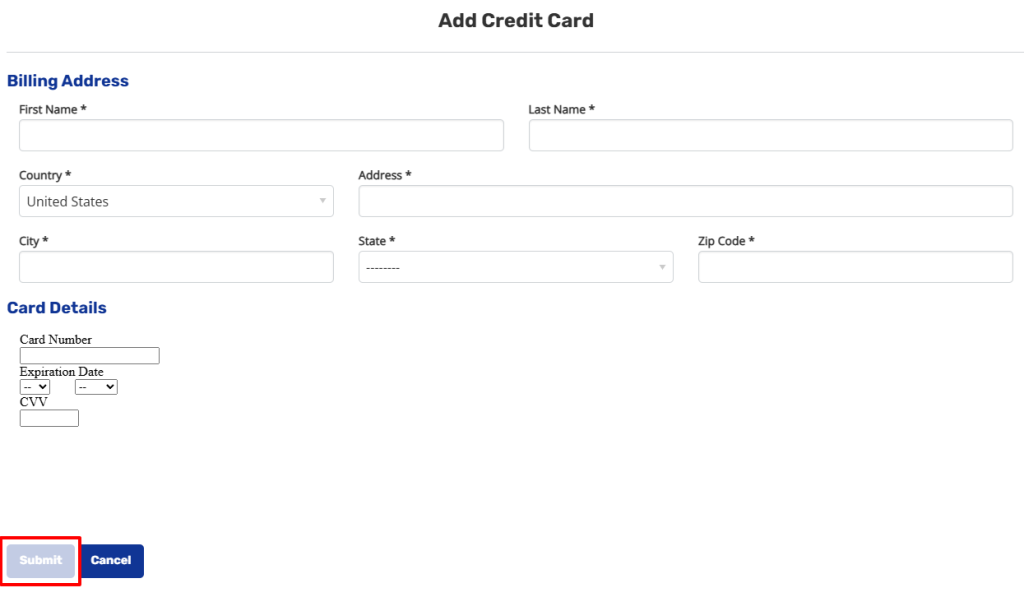
3. Fill out all the required details, and click submit:


4. Success you have added a payment method!


How to Pay an invoice:

1. First Click on Account, and go to Invoices:

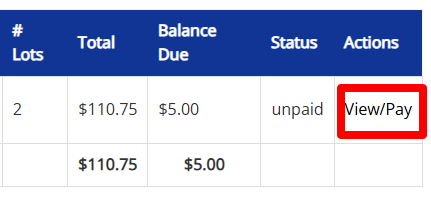
2. Click View/Pay on any invoice:

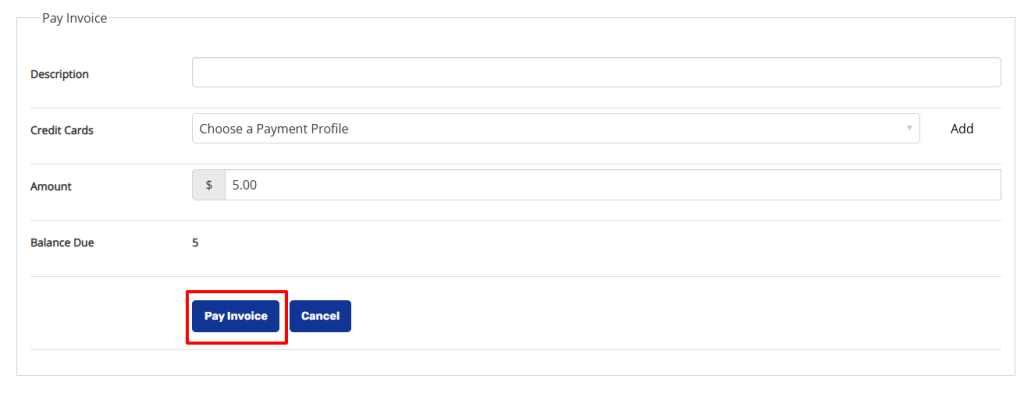
3. Click Pay invoice:

4. Select your payment profile, fill out the amount (balance due will auto populate in this field) and click Pay Invoice.

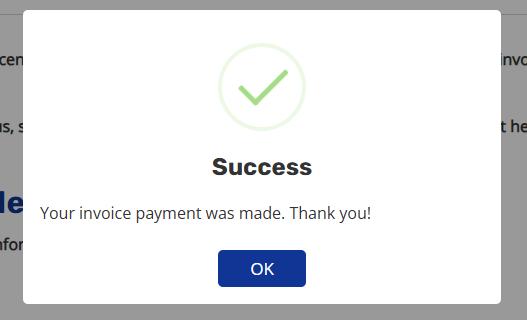
5. Success! You have paid your invoice!

Note: We do not require a deposit, nor do we auto charge any payment method added.

The Truth About Reserve Prices in Industrial Auctions

Reserve prices play a crucial role in industrial auctions, ensuring sellers achieve fair value while maintaining buyer interest. Understanding how reserve prices work in industrial auctions can help both parties navigate the process effectively and optimize outcomes. This article explores the concept of reserve prices, how they impact auctions, and strategies for success.


What is a Reserve Price?

A reserve price is the minimum amount a seller is willing to accept for an item in an auction. If bids do not meet or exceed this threshold, the item remains unsold. Reserve prices offer sellers control over the sale outcome while signaling to buyers the value placed on the item.


Why Are Reserve Prices Important?

For Sellers

  • Protection Against Undervalued Sales: Ensures items are not sold for less than their worth.
  • Confidence in Auction Outcomes: Sellers can set a baseline price that aligns with their financial goals.

For Buyers

  • Clarity on Expectations: Provides an indication of the minimum value required to secure the item.
  • Encourages Serious Bidding: Reserve prices attract committed buyers who recognize the value of the items.

How Reserve Prices Affect Auctions

1. Bidding Dynamics

  • Reserve prices influence the starting bid and the overall competition. A well-set reserve price can encourage active bidding.

2. Buyer Perception

  • Transparent reserve prices build trust and encourage participation, whereas undisclosed reserves can deter buyers.

3. Auction Outcomes

  • Auctions with reasonable reserve prices often result in higher final bids, as buyers are motivated to meet the threshold.

Setting an Effective Reserve Price

1. Research Market Value

  • Analyze the market to determine the average price for similar items. Platforms like Bidding.LibraLiquidity.com provide insights into historical auction data.

2. Balance Fairness and Competitiveness

  • A reserve price that is too high may discourage bids, while a low reserve could lead to undervalued sales.

3. Use Professional Guidance

  • Consult with auction experts or platform representatives to set an optimal reserve price.

Real-World Example of Reserve Prices

Case Study: A construction company listed a surplus transformer with a reserve price of $10,000 on Bidding.LibraLiquidity.com. After competitive bidding, the item sold for $15,000, exceeding expectations. Without a reserve price, the item could have sold for as little as $7,000.

Stat: According to industry data, items with well-set reserve prices attract 20% more bids compared to those without a reserve.


Tips for Buyers and Sellers

For Sellers:

  1. Be Transparent: Clearly communicate reserve prices when allowed by the platform.
  2. Set Realistic Expectations: Align reserve prices with current market trends.

For Buyers:

  1. Understand the Rules: Know whether reserve prices are disclosed or hidden.
  2. Plan Your Budget: Be prepared to meet or exceed reserve prices for high-demand items.

Understanding how reserve prices work in industrial auctions empowers both buyers and sellers to achieve favorable outcomes. Reserve prices protect sellers’ interests, encourage competitive bidding, and build buyer confidence, creating a win-win environment.

Ready to harness the power of reserve prices? Visit Libra Liquidity to learn more or explore upcoming auctions at Bidding.LibraLiquidity.com. Start your auction journey today!

The Role of Certifications in Auctioned Electrical Equipment

In industrial auctions, certifications play a pivotal role in ensuring quality, safety, and buyer confidence. For both buyers and sellers, understanding the role of certifications in auctioned electrical equipment is essential to navigating the market successfully. This article delves into why certifications matter, their impact on auction outcomes, and actionable strategies for leveraging them.


Why Certifications Matter in Electrical Equipment Auctions

1. Assurance of Quality

  • What It Means: Certifications confirm that equipment meets industry standards, ensuring reliability and performance.
  • Buyer Benefit: A certified item guarantees adherence to safety and operational standards, reducing risks.

2. Enhanced Buyer Confidence

  • Why It Matters: Buyers are more likely to bid on certified equipment as it minimizes uncertainty about quality.
  • Fact: Auctions featuring certified items see a 25% higher participation rate compared to uncertified listings.

3. Compliance with Regulations

  • Seller Advantage: Certified equipment aligns with regulatory requirements, broadening its appeal across industries and regions.

Types of Certifications in Auctioned Electrical Equipment

1. Safety Certifications

  • Examples: UL (Underwriters Laboratories), CE (Conformité Européenne), and IEC (International Electrotechnical Commission).
  • Purpose: Validate that equipment meets stringent safety criteria.

2. Performance Certifications

  • Examples: ISO 9001 for quality management systems and IEEE standards for electrical equipment.
  • Impact: Demonstrates operational reliability and durability.

3. Environmental Certifications

  • Examples: RoHS (Restriction of Hazardous Substances) and Energy Star ratings.
  • Relevance: Highlights eco-friendly and energy-efficient equipment, appealing to sustainability-conscious buyers.

Real-World Examples of Certification Impact

Case Study 1: Higher Auction Participation
A seller listed surplus circuit breakers with UL and CE certifications on Bidding.LibraLiquidity.com. The certifications attracted international buyers, resulting in a 30% higher sale price than uncertified equivalents.

Case Study 2: Faster Sales for Certified Generators
A buyer secured a generator with ISO 9001 certification at an auction. The certification expedited approval for use in a government-funded project, saving weeks in operational delays.


How Certifications Influence Auction Strategies

For Sellers:

  1. Highlight Certifications in Listings
    • Include detailed descriptions of all relevant certifications and their benefits.
  2. Invest in Certification Where Possible
    • Certifying equipment before listing can significantly boost value and buyer interest.

For Buyers:

  1. Prioritize Certified Equipment
    • Focus on certified items to ensure compliance and reduce post-purchase issues.
  2. Verify Certification Authenticity
    • Confirm certifications through documentation or direct communication with the seller.

Tips for Leveraging Certifications in Auctions

  1. Include Detailed Descriptions
    • Specify the type, validity, and issuing authority of certifications in the listing.
  2. Use High-Quality Visuals
    • Upload images of certification labels and documentation for transparency.
  3. Partner with Trusted Platforms

Why Libra Liquidity Stands Out in Certified Auctions

At Libra Liquidity, we understand the importance of certifications in building trust and driving auction success. Our platform ensures:

  • Verified certification details in listings.
  • Secure transactions for high-quality, certified equipment.
  • Global reach to attract buyers seeking compliance-ready assets.

Conclusion: Unlock Auction Success with Certified Equipment

The role of certifications in auctioned electrical equipment cannot be overstated. Certifications drive buyer confidence, enhance value, and streamline transactions, benefiting both buyers and sellers.

Ready to elevate your auction experience? Visit Libra Liquidity today and explore certified equipment listings at Bidding.LibraLiquidity.com. Trust in certifications and achieve greater success in industrial auctions.

The Ultimate Glossary for Electrical Equipment Auctions

Navigating industrial electrical auctions can be challenging without a clear understanding of the key terms involved. Whether you’re a seasoned bidder or a newcomer, understanding auction terminology is essential for a seamless experience. This glossary will equip you with the knowledge needed to participate confidently and maximize your success in online auctions.


Why Understanding Auction Terminology is Crucial

Participating in industrial electrical auctions requires familiarity with specific jargon. Knowing these terms not only simplifies the bidding process but also helps avoid costly mistakes. With this glossary, you’ll gain clarity on the most important terms used in online auctions, making you better prepared to buy or sell electrical equipment.


Key Auction Terminology You Should Know

1. Auctioneer

The individual or platform conducting the auction. For online auctions, the auctioneer is typically a digital platform like Bidding.LibraLiquidity.com.

2. Reserve Price

The minimum price a seller is willing to accept for an item. If bids do not meet the reserve price, the item remains unsold.

3. Starting Bid

The initial price at which bidding begins. This is often set low to encourage participation and competitive bidding.

4. Bid Increment

The minimum amount by which a bid must increase. For example, if the current bid is $1,000 and the increment is $100, the next bid must be at least $1,100.

5. Proxy Bid

A system where bidders set a maximum amount they’re willing to pay, and the platform automatically increases their bid within that limit to maintain competitiveness.

6. Lot

An item or group of items being sold together in the auction. For industrial electrical auctions, lots might include transformers, circuit breakers, or other equipment.

7. Buyer’s Premium

An additional fee, usually a percentage of the final bid, paid by the buyer to the auction house or platform.

8. No-Reserve Auction

An auction where there is no minimum price set, ensuring the item sells to the highest bidder regardless of the bid amount.

9. Hammer Price

The final bid accepted by the auctioneer, exclusive of any additional fees like the buyer’s premium or taxes.

10. End Time

The time when the auction closes. In online auctions, this may include an “extended bidding” feature if last-minute bids are placed.


Examples of Auction Terminology in Action

  • Case Study: A seller listed surplus circuit breakers on Bidding.LibraLiquidity.com with a reserve price of $2,000. The starting bid was set at $1,000, and competitive bidding raised the hammer price to $5,000, including a 10% buyer’s premium.
  • Stat: According to industry data, items listed with clear descriptions and starting bids attract 25% more bids, emphasizing the importance of understanding auction terminology.

Tips for Mastering Auction Terminology

  1. Study the Glossary: Bookmark this page for quick reference during auctions.
  2. Engage with the Platform: Familiarize yourself with terms used specifically on platforms like Libra Liquidity.
  3. Ask Questions: Reach out to the auction platform for clarification on any terms or conditions.
  4. Start Small: Begin by participating in low-stakes auctions to build confidence.

Conclusion: Empower Your Auction Experience

By mastering understanding auction terminology, you position yourself for greater success in industrial electrical auctions. From knowing what a reserve price means to leveraging proxy bidding, this knowledge ensures a smoother, more profitable experience.

Ready to put your knowledge to the test? Visit Libra Liquidity to explore upcoming auctions and start bidding today on Bidding.LibraLiquidity.com. Unlock the potential of online auctions and turn opportunity into success!