1-716-427-0892  |  Mon-Fri: 8AM - 3PM (EST)  |  Sat & Sun: Closed

Unlock Success: Beginner’s Guide to Bidding on Industrial Gear

Diving into the world of industrial auctions can be overwhelming, especially when dealing with specialized equipment like electrical systems, heavy machinery, and other industrial tools. While platforms like Libra Liquidity Auctions make bidding accessible for all levels of experience, a smart and strategic approach is crucial for winning the best deals. Whether you’re a business owner looking to upgrade your operations or a reseller seeking inventory, understanding the auction process will ensure you make the most of your investment. Here’s a comprehensive guide to help you navigate the world of industrial auctions and make successful bids:

1. Set a Budget

Before you even think about placing a bid, it’s important to establish a clear budget. Auctions can be fast-paced and competitive, which can lead to emotional bidding. To avoid overspending, set a firm budget that aligns with both your business needs and the market value of the equipment you’re bidding on. Here’s how to set a realistic budget:

  • Evaluate Market Value: Research the current market price for similar equipment. Factor in what you’re willing to spend based on its value to your operations or resale potential.
  • Set a Maximum Bid: Once you know the typical cost of the equipment, decide on your maximum bid. This prevents you from getting caught up in the auction frenzy and ensures you stay within financial limits.

Having a pre-set budget helps you remain disciplined throughout the auction process and ensures you don’t end up overbidding.

2. Research Equipment Demand and Value

Understanding the demand and value of the equipment you’re interested in is critical for competitive bidding. By researching what similar items are selling for, you can make more informed decisions. Start with these steps:

  • Market Research: Look up the equipment’s typical pricing on various platforms like eBay, Amazon, and industry-specific sites. These sites often provide historical price data and demand trends that will give you an idea of what the equipment is worth.
  • Check Auction Results: Check previous auction results for similar equipment on Libra Liquidity Auctions and other auction sites. This will give you a sense of how much the items typically sell for and help you set a reasonable bid range.

By knowing the market value and demand, you will be able to make strategic bids and avoid overpaying.

3. Review Product Condition and Documentation

Understanding the condition of the equipment is crucial. While most auction sites, including Libra Liquidity Auctions, provide detailed product descriptions, it’s important to go beyond just reading them. Here’s how to fully assess the condition:

  • Condition Ratings: Check whether the equipment is listed as new, refurbished, used, or for parts. Understand what these terms mean in the context of the auction.
  • Inspection Reports and Certifications: For high-value items like transformers, circuit breakers, or PLC systems, ask for or carefully review any inspection reports or certifications. These documents provide valuable insights into the equipment’s history, functionality, and reliability.
  • Photos and Descriptions: Review all photos provided in the listing. Pay attention to visible wear and tear, potential damage, or missing parts. If the equipment is used, look for signs of operational wear that may affect its performance.

The more detailed your evaluation of the equipment’s condition, the better equipped you’ll be to assess whether it’s a good deal.

4. Understand Auction Timing and Bid Placement

Timing can make a huge difference in winning an auction at the right price. Bids tend to spike toward the end of the auction, as buyers get caught up in competitive bidding. Here are some tips for strategically placing your bid:

  • Bid in the Final Stages: If possible, wait until the last few minutes of the auction to place your bid. This reduces the chance of other bidders reacting to your offer. Be prepared to act quickly when the auction nears its end.
  • Real-Time Tracking: Libra Liquidity Auctions provides real-time bidding updates, so you can track the auction’s progress and place your bid at the most opportune moment. If there’s a lot of activity, it’s better to wait and enter the bidding later.

Strategically placing your bid can help you avoid paying more than necessary while increasing your chances of winning the auction.

5. Consider Additional Costs

When bidding in industrial auctions, it’s essential to remember that the final price you pay will include more than just the winning bid. There are additional costs that can add up quickly, so keep these in mind:

  • Shipping Fees: Shipping large industrial equipment can be expensive, especially if it’s bulky or requires special handling. Ensure that shipping fees are included in your total cost estimate.
  • Auction Fees: Many auction platforms charge buyer’s fees on top of the winning bid. These can vary, so make sure to account for these fees when calculating your budget.
  • Taxes and Duties: Depending on your location, there may be taxes or import duties that apply to your purchase. Make sure to consider these when determining whether a bid fits within your budget.

Being aware of all potential costs will help you better plan and prevent surprises after the auction ends.

Unlock Hidden Success: Strategic Bidding Tips for Industrial Equipment Auctions

A successful auction strategy can be the difference between securing valuable industrial equipment at a great price and overspending. With the right approach, auctions like those offered by Libra Liquidity Auctions can become an indispensable tool for acquiring high-quality equipment at competitive prices. Whether you’re a business owner seeking equipment for operational needs or a reseller looking to turn a profit, entering an auction with a solid plan is crucial. Here’s a comprehensive step-by-step guide to creating an effective bidding strategy that ensures you get the most value for your investment.

Step 1: Define Your Objectives

The first step in creating a bidding strategy is to define your goals. Understanding your objectives will give you clarity and focus throughout the auction process.

  • Internal Use: If you’re purchasing equipment for internal use, prioritize reliability, compatibility with your existing systems, and long-term value.
  • Resale Priority: If your goal is resale, concentrate on items with a high demand in your target market. Look for products with a proven track record of fast turnover and solid profit margins.

By clarifying your objectives upfront, you’ll be better equipped to narrow your focus to the most relevant equipment categories and avoid unnecessary distractions during the auction.


Step 2: Conduct Pre-Auction Research

Knowledge is power when it comes to auctions. Conducting thorough research before bidding can save you from making costly mistakes.

  • Market Value: Determine the current market value of the equipment you’re interested in. For resellers, tools like Terapeak (for eBay) and Keepa (for Amazon) provide insights into pricing trends, demand, and competition. For operational buyers, industry-specific benchmarks can help you gauge the value of the equipment.
  • Demand Analysis: Identify items that are in high demand. Seasonal trends, industry-specific needs, and emerging technologies can all influence demand for particular types of equipment.
  • Competitor Analysis: Take note of the types of bidders likely to compete in the auction. Understanding your competition can help you anticipate bidding behavior and adjust your strategy accordingly.

Arming yourself with this information ensures that you bid confidently, knowing the true value of the items on your list.


Step 3: Establish a Maximum Bid

Overspending is one of the biggest pitfalls in auctions, especially in the heat of competitive bidding. To avoid this, establish a maximum bid for each item before the auction begins.

  • Calculate True Costs: Include not just the auction price but also additional expenses like shipping, taxes, and auction fees. These costs can add up quickly and erode your profit margins or strain your budget.
  • Set Limits: Be disciplined about your maximum bid. Use the research from Step 2 to determine a bid that ensures value without exceeding your financial limits.
  • Stay Focused: Avoid emotional bidding wars. While it can be tempting to outbid a competitor at any cost, sticking to your predetermined budget is essential for long-term profitability.

A well-thought-out budget helps you maximize returns while avoiding unnecessary financial risks.


Step 4: Track and Monitor

Once the auction begins, the ability to monitor and respond to bidding activity in real-time is critical. Libra Liquidity Auctions provides tools to help you stay on top of your bids and make informed decisions.

  • Track Items Closely: Keep an eye on the items you’re interested in throughout the auction. Use watchlists or notifications to stay updated on bidding activity.
  • Understand Bidding Patterns: Observe when bidding activity tends to peak. Auctions often experience surges in the final moments, so being prepared to act quickly can make all the difference.
  • Stay Flexible: If an item’s price remains below your maximum bid, consider raising your offer slightly, but always remain within the boundaries of your budget.

Real-time tracking ensures that you don’t miss opportunities to secure valuable items at favorable prices.


Step 5: Evaluate and Adjust

Not every auction will go as planned, and that’s okay. Successful bidding strategies include a willingness to evaluate and adjust as needed.

  • Step Back When Necessary: If an item surpasses your maximum bid, don’t hesitate to let it go. There will always be future auctions with similar opportunities.
  • Review Results: After the auction, review your wins and losses. Were your bids successful? Did you stick to your budget? Use these insights to refine your strategy for the next auction.
  • Stay Patient: Auctions are an ongoing opportunity. Rushing to secure an item at any cost often leads to overspending or buyer’s remorse. A patient, measured approach ensures better outcomes over time.

By consistently evaluating your performance and learning from each auction, you’ll improve your skills and maximize your success.


Why a Strategic Bidding Plan Matters

A clear, well-researched bidding plan not only increases your chances of winning the equipment you need but also protects you from costly mistakes. Libra Liquidity Auctions offers an excellent platform for securing high-quality industrial equipment, but success depends on entering the auction with a thoughtful and disciplined approach.

By defining your objectives, conducting thorough research, setting a maximum bid, monitoring the auction in real-time, and evaluating your performance, you’ll position yourself to get the most value out of every auction. Whether you’re purchasing equipment for your business or building inventory for resale, these steps will help you achieve your goals efficiently and profitably.

How to: Seamless Integrated Payments


How to Add Payment method:

1. Navigate to My Account, and click Payment Methods


2. Click Add new Payment Method:


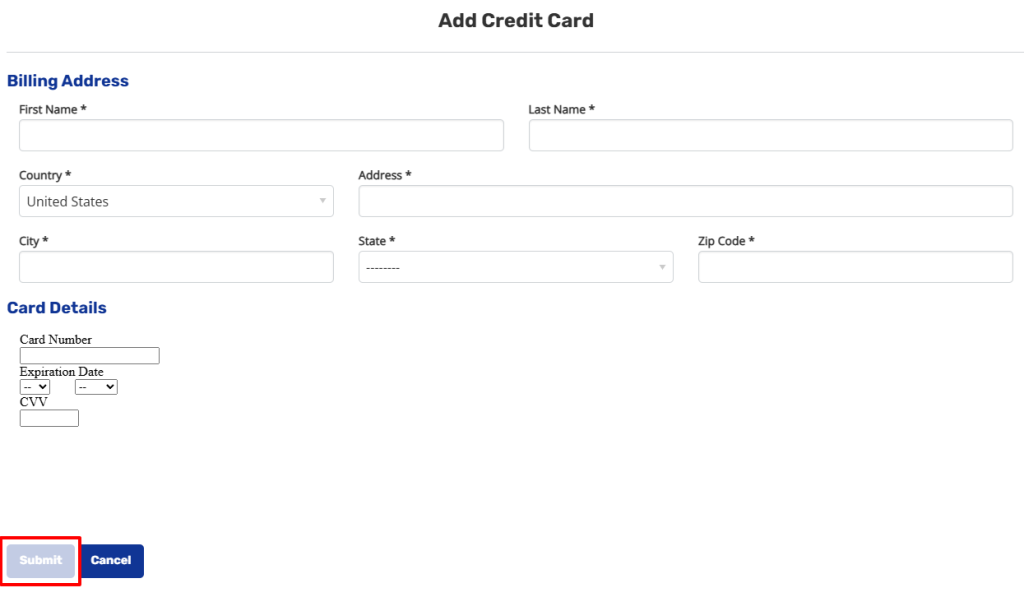
3. Fill out all the required details, and click submit:


4. Success you have added a payment method!


How to Pay an invoice:

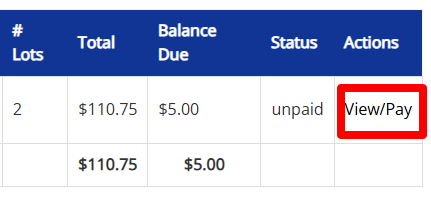
1. First Click on Account, and go to Invoices:

2. Click View/Pay on any invoice:

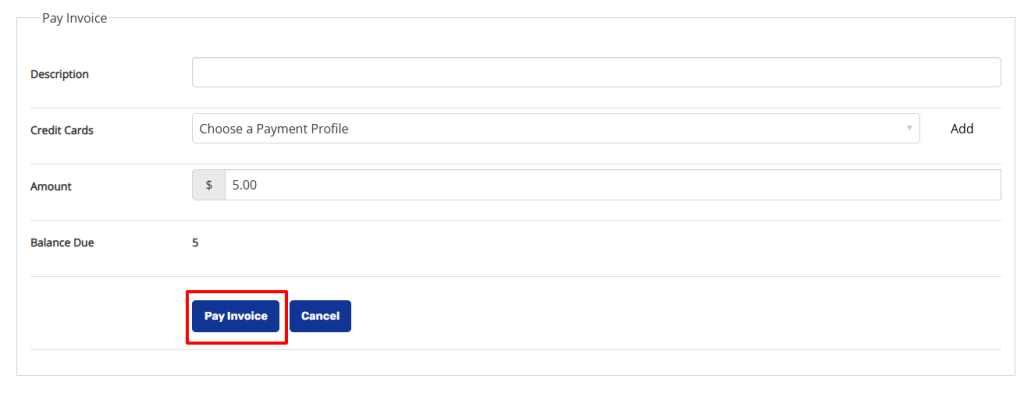
3. Click Pay invoice:

4. Select your payment profile, fill out the amount (balance due will auto populate in this field) and click Pay Invoice.

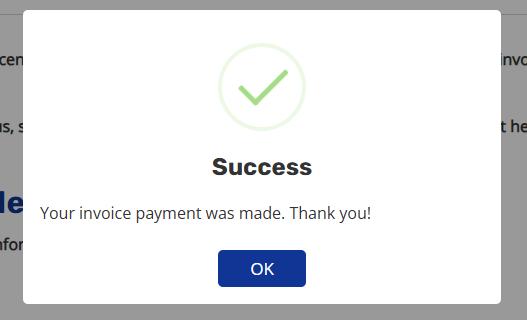
5. Success! You have paid your invoice!

Note: We do not require a deposit, nor do we auto charge any payment method added.

How to Prepare Your Electrical Equipment for Auction: A Seller’s Checklist

Selling electrical equipment through auctions can be a profitable and efficient way to move surplus or unused items. However, to maximize returns, proper preparation is key. This comprehensive guide on how to prepare your electrical equipment for auction: a seller’s checklist will help you navigate the process and ensure your listings attract serious buyers.


Why Preparing Your Electrical Equipment Matters

Well-prepared equipment not only attracts more bidders but also secures higher sale prices. Buyers look for transparency, reliability, and value. By following this checklist, sellers can create compelling listings that stand out in competitive auction platforms like Bidding.LibraLiquidity.com.


Checklist for Preparing Your Electrical Equipment for Auction

1. Assess the Condition of Your Equipment

  • Inspect all items for damage, wear, or missing parts.
  • Test functionality to ensure the equipment is operational. Non-working items can still sell but must be accurately described.
  • Note any repairs or maintenance performed.

2. Gather Documentation

  • Provide user manuals, maintenance logs, and certifications.
  • Documentation adds credibility and helps buyers make informed decisions.

3. Clean and Present Equipment Professionally

  • Thoroughly clean the equipment to enhance its appearance.
  • Remove labels, personal identifiers, or proprietary information.
  • If possible, repaint or touch up surfaces to make the equipment look well-maintained.

4. Capture High-Quality Photos

  • Take clear, well-lit photos from multiple angles.
  • Highlight important details like serial numbers, labels, or certifications.
  • Include close-ups of key components or features.

5. Write Detailed and Accurate Descriptions

  • Include specifications such as model number, year of manufacture, dimensions, and capacity.
  • Mention the condition, any repairs, and whether accessories or spare parts are included.
  • Be transparent about any known issues or limitations.

6. Set Realistic Expectations

  • Research the market value of similar equipment.
  • Work with the auction platform to set a reserve price if necessary.

7. Choose the Right Auction Platform

  • Opt for a reputable platform like Libra Liquidity that specializes in industrial electrical equipment.
  • Check for features like global reach, secure transactions, and robust customer support.

Real-World Success: Case Study

Example: A seller with surplus industrial transformers used Bidding.LibraLiquidity.com to auction their items. By following this checklist, they attracted 30% more bids than similar listings and achieved a 25% higher sale price. Clean photos and detailed descriptions played a significant role in their success.


Pro Tips for Successful Auctions

  • Leverage Keywords: Use relevant keywords in your listing titles and descriptions to increase visibility.
  • Engage With Buyers: Answer questions promptly and provide additional details when requested.
  • Monitor Auction Progress: Stay informed about bidder activity and be prepared to adjust strategies if necessary.

Conclusion: Unlock Maximum Value with Proper Preparation

Selling electrical equipment through auctions doesn’t have to be overwhelming. By following this guide on how to prepare your electrical equipment for auction: a seller’s checklist, you can attract serious buyers, maximize your profits, and ensure a smooth transaction.

Ready to list your equipment? Visit Libra Liquidity today and start your auction journey on Bidding.LibraLiquidity.com. Don’t let your unused equipment gather dust—turn it into revenue with ease!

Breaking Down the Myths of Industrial Auctions

Industrial auctions are valuable marketplaces for buying and selling equipment, yet they’re often surrounded by misconceptions. These myths can deter potential participants from exploring their benefits. This article focuses on breaking down the myths of industrial auctions, revealing the truth behind common misconceptions, and showcasing the opportunities they offer.


Why Myths Persist About Industrial Auctions

Myths about industrial auctions often arise from a lack of knowledge or outdated information. Misunderstandings about pricing, quality, and accessibility can make auctions seem intimidating or unreliable.


Common Myths of Industrial Auctions (And the Truth Behind Them)

Myth 1: Auctions Only Offer Outdated or Poor-Quality Equipment

  • Reality: Industrial auctions frequently feature high-quality and even unused equipment. Many items come from surplus inventory, business closures, or facility upgrades.
  • Example: A manufacturing company sold surplus electrical transformers at Bidding.LibraLiquidity.com, enabling buyers to acquire nearly-new equipment at a fraction of the cost.

Myth 2: Auctions Are Complicated and Time-Consuming

  • Reality: Modern online auction platforms like Libra Liquidity streamline the process with user-friendly interfaces, clear instructions, and transparent bidding.
  • Fact: Buyers can browse, bid, and purchase equipment within a few clicks, saving both time and effort.

Myth 3: You Need Extensive Knowledge to Participate

  • Reality: While understanding auction basics is helpful, most platforms provide resources, guides, and support to assist new participants.
  • Tip: Start with smaller auctions to build confidence and learn the process.

Myth 4: Items Are Always Sold “As-Is” Without Recourse

  • Reality: While many items are sold as-is, platforms often include detailed descriptions, photos, and condition reports to help buyers make informed decisions.
  • Example: Equipment listed on Bidding.LibraLiquidity.com includes specifications, certifications, and maintenance history for transparency.

Myth 5: Industrial Auctions Only Cater to Large Businesses

  • Reality: Auctions are suitable for businesses of all sizes, from small contractors to multinational corporations.
  • Fact: Small businesses can find affordable, high-quality equipment that fits their budget and operational needs.

The Benefits of Industrial Auctions

  • Cost Savings: Buyers often secure equipment at significantly lower prices than retail.
  • Efficiency: Sellers quickly convert unused assets into revenue.
  • Sustainability: Reusing industrial equipment reduces waste and promotes the circular economy.

Real-World Success: Case Studies

Case Study 1:
A construction firm sourced surplus circuit breakers through an online auction, saving 35% compared to purchasing new equipment. The items arrived in excellent condition and were operational within weeks.

Case Study 2:
A small energy startup acquired a generator from Bidding.LibraLiquidity.com for 40% less than the market price, enabling them to stay within budget and launch their project on time.


Tips for Navigating Industrial Auctions

  1. Do Your Research:
    • Familiarize yourself with the platform and auction terms.
    • Review item descriptions and condition reports carefully.
  2. Set a Budget:
    • Determine your maximum bid beforehand to avoid overspending.
  3. Start Small:
    • Participate in smaller auctions to gain experience before bidding on high-value items.

How Libra Liquidity Dispels Auction Myths

At Libra Liquidity, we prioritize transparency, efficiency, and customer support to make auctions accessible to everyone. Platforms like Bidding.LibraLiquidity.com provide detailed item information, real-time bidding tools, and responsive customer service to ensure a seamless experience for buyers and sellers alike.


Conclusion: Discover the Truth About Industrial Auctions

By breaking down the myths of industrial auctions, this article reveals the truth about their accessibility, reliability, and value. With modern platforms like Libra Liquidity, auctions are an excellent resource for businesses seeking cost-effective and sustainable solutions.

Ready to explore the opportunities? Visit Bidding.LibraLiquidity.com today to browse upcoming auctions and experience the benefits firsthand.

What Happens to Unsold Items in Industrial Electrical Auctions?

Industrial electrical auctions offer a dynamic marketplace for buying and selling essential equipment. However, not all items find a buyer on the first attempt. Understanding what happens to unsold items in industrial electrical auctions can help sellers plan effectively and maximize their opportunities. This article explores the common outcomes for unsold items and how platforms like Bidding.LibraLiquidity.com ensure every item has a second chance.


Why Do Some Items Go Unsold?

Several factors contribute to items remaining unsold in industrial electrical auctions:

  • Reserve Price Not Met: Items with high reserve prices may fail to attract bids.
  • Limited Demand: Specialized equipment may not align with the current needs of buyers.
  • Incomplete Listings: Lack of detailed descriptions or photos can deter bidders.
  • Market Conditions: Economic fluctuations can temporarily affect buyer activity.

What Happens to Unsold Items?

Unsold items don’t necessarily signify a dead end. Here’s what typically happens:

1. Relisting in Future Auctions

  • How It Works: Unsold items are often relisted in subsequent auctions, sometimes with adjusted reserve prices or enhanced descriptions.
  • Success Tip: Sellers should update listings with better photos or additional details to increase buyer interest.

2. Direct Sale Negotiations

  • How It Works: Auction platforms may facilitate post-auction negotiations between sellers and interested buyers.
  • Example: A generator listed at auction was unsold but later sold directly to a bidder after a price adjustment.

3. Alternative Sales Channels

  • How It Works: Unsold items may be sold through alternative methods such as private sales or other marketplaces.
  • Applications: This approach is common for highly specialized or niche equipment.

4. Storage or Reuse

  • How It Works: Sellers may choose to store unsold items for future auctions or repurpose them within their operations.

5. Donation or Recycling

  • How It Works: In some cases, items are donated to educational institutions or recycled to recover material value.
  • Benefit: This approach supports sustainability and aligns with circular economy principles.

Real-World Examples of Unsold Item Outcomes

Case Study 1: Adjusted Reserve Price A seller listed surplus switchgear at an auction with a reserve price of $20,000. When it didn’t sell, they relisted it at $18,000, attracting multiple bids and securing a final sale of $19,500.

Case Study 2: Alternative Marketplace Success A small business listed transformers that didn’t sell at auction. The items were later sold through a private sale facilitated by Libra Liquidity, ensuring a positive outcome.

Stat: According to industry data, 70% of relisted items are sold within two subsequent auctions.


How Sellers Can Avoid Unsold Items

1. Set Realistic Reserve Prices

  • Research market trends to establish competitive pricing.

2. Enhance Item Listings

  • Include high-quality photos, detailed specifications, and certifications.

3. Market Strategically

4. Be Flexible

  • Be open to post-auction negotiations or alternative sales options.

The Role of Libra Liquidity in Handling Unsold Items

At Libra Liquidity, we ensure that every item has the best chance of finding a buyer. Through innovative solutions like relisting, direct negotiations, and alternative marketplaces, we help sellers turn unsold items into valuable opportunities. Platforms like Bidding.LibraLiquidity.com are designed to connect sellers with serious buyers worldwide.


Conclusion: Turning Unsold Items into Opportunities

Unsold items in industrial electrical auctions are not the end of the road. With the right strategies and platforms, these items can still find buyers and generate value. Whether it’s through relisting, alternative sales, or recycling, sellers have multiple pathways to success.

Ready to explore the possibilities? Visit Libra Liquidity and list your equipment on Bidding.LibraLiquidity.com today. Don’t let unsold items gather dust—turn them into opportunities now!

How Mobile Apps Are Making Industrial Auctions More Accessible

The industrial auction landscape has transformed with the rise of mobile technology. How mobile apps are making industrial auctions more accessible highlights a revolution in efficiency, convenience, and reach for both buyers and sellers. This article explores the impact of mobile apps, offering insights, examples, and actionable strategies.


The Role of Mobile Apps in Industrial Auctions

Mobile apps have bridged the gap between traditional auction practices and modern technology. By providing real-time updates, intuitive interfaces, and on-the-go functionality, these apps have democratized access to industrial auctions.


Benefits of Mobile Apps for Industrial Auctions

1. Accessibility Anytime, Anywhere

  • How It Works: Mobile apps enable users to browse, bid, and monitor auctions regardless of location.
  • Example: A contractor in a remote area uses an auction app to secure essential equipment during a lunch break, saving time and effort.

2. Real-Time Notifications

  • Why It Matters: Instant updates on bids, auction schedules, and results keep users informed and competitive.
  • Stat: Apps with push notifications see 40% higher user engagement compared to web-based platforms.

3. User-Friendly Interfaces

  • What It Does: Simplified navigation and clear visuals make it easier for users of all experience levels to participate confidently.

4. Secure Transactions

  • Benefit: Mobile apps offer encrypted payment options, ensuring secure and seamless financial transactions.

Features That Enhance Accessibility

1. Item Browsing with Filters

  • Search by category, location, or price range to find items quickly.

2. Virtual Item Previews

  • Detailed photos and videos allow users to inspect items without attending in person.

3. Multilingual Support

  • Catering to a global audience, many apps include language options to accommodate diverse users.

4. Personalized Dashboards

  • Track your bids, watchlists, and auction history in one place.

Real-World Success: Mobile Apps in Action

Case Study 1: Increased Seller Reach
A seller listed surplus electrical transformers on Bidding.LibraLiquidity.com. They attracted international buyers who wouldn’t have participated otherwise. The auction achieved a 25% higher sale price than expected.

Case Study 2: Efficient Buyer Participation
A small business owner secured industrial circuit breakers through a mobile app while traveling. The app’s instant notifications allowed them to place timely bids and win the auction.


Tips for Using Mobile Apps in Industrial Auctions

  1. Download Trusted Apps
  2. Enable Notifications
    • Stay updated on bidding activity and auction schedules.
  3. Familiarize Yourself with Features
    • Explore app functionalities like search filters and payment options before participating.
  4. Plan Ahead
    • Research items and set budgets to bid strategically.

Conclusion: The Future of Industrial Auctions is Mobile

Mobile apps have redefined the auction experience, making it more accessible, efficient, and secure. By embracing how mobile apps are making industrial auctions more accessible, businesses can unlock new opportunities and thrive in an increasingly connected world.

Ready to elevate your auction experience? visit Bidding.LibraLiquidity.com today and discover the future of industrial auctions.