1-716-427-0892  |  Mon-Fri: 8AM - 3PM (EST)  |  Sat & Sun: Closed

Unlock Hidden Value: How to Assess Industrial Equipment at Auction

When buying industrial electrical equipment at auction, it’s crucial to understand the condition of each item to make informed bids. With the right knowledge, you can ensure that you’re getting the best value for your investment. Libra Liquidity Auctions provides detailed descriptions, but having the ability to assess the condition of the equipment will help you make smarter purchasing decisions. Whether you’re buying for internal use or resale, it’s essential to know the exact state of the equipment to avoid any surprises down the road. Here are some key tips for evaluating industrial electrical items and making wise bids.

Step 1: Examine Descriptions and Photos Closely

Libra Liquidity Auctions typically includes high-quality photos and detailed descriptions for each item. These photos and descriptions are your first line of defense when evaluating the equipment’s condition.

  • Close-Up Images: Carefully review images for signs of wear, scratches, dents, or any visible damage that could affect the equipment’s functionality. Look for close-up shots of critical areas, such as wiring, switches, and connectors.
  • Item Descriptions: Read the description for any references to prior use, repairs, or maintenance. Details like “previously owned,” “lightly used,” or “fully refurbished” can give you a good idea of the item’s condition.

The more attention you give to the photos and descriptions, the better prepared you will be when making your bid. If anything looks unclear or concerning, make sure to ask for additional images or clarification.

Step 2: Understand Condition Ratings

Many auctions categorize equipment by its condition to provide buyers with clear expectations. Understanding these ratings is crucial to making informed bids. Common condition classifications include:

  • New: Brand new, unused equipment that’s still in its original packaging. This is the best option if you want like-new, reliable items, but expect to pay a premium for them.
  • Refurbished: Equipment that has been professionally restored to its original working condition. Refurbished items may have been used previously but are repaired, tested, and certified to meet specific standards.
  • Used: Pre-owned equipment that’s still functional but may show signs of wear. Used equipment can offer great value but may require maintenance or replacement of certain parts.
  • For Parts or Repair: Items sold for parts or in need of repair. These can be great opportunities for resellers or businesses that can fix or repurpose the equipment, but they carry higher risk.

Familiarize yourself with these categories so you can bid accordingly. If you’re purchasing used or refurbished equipment, be prepared to invest in maintenance or repairs to ensure the equipment performs as expected.

Step 3: Ask Questions if Needed

If you’re uncertain about any details in the listing, don’t hesitate to reach out to Libra’s customer service team. Asking questions can help you gain further insight into the item’s history, performance, and any known issues that may not be fully described in the listing.

  • Equipment History: Inquire about the item’s previous use, including how long it’s been in operation and whether it has undergone any repairs.
  • Operational Hours: For equipment like transformers or generators, knowing how many operational hours the equipment has logged can give you a sense of its remaining lifespan.
  • Certifications and Warranties: If the item is refurbished, ask about any certifications or warranties provided by the refurbishing company.

Customer service representatives are there to help and will often provide extra details or clarification that could make a difference in your bidding decision.

Step 4: Review Documentation and Certificates

Some industrial electrical equipment comes with inspection reports or certificates of authenticity, which can add assurance of the equipment’s condition. Documentation is especially valuable for high-value items like transformers, PLC systems, or circuit breakers.

  • Inspection Reports: If available, review inspection reports that detail the equipment’s performance, maintenance history, and any repairs made.
  • Certificates of Authenticity: Items like transformers or high-end PLCs may come with certificates verifying their original manufacturing specifications or certifications for use in specific industries.
  • Maintenance Logs: For equipment that’s been in use, maintenance logs can help you understand the condition of internal components and any recent service performed.

Having access to documentation adds transparency and provides you with a clearer picture of what you’re buying. Always request these documents when available, especially for higher-value items.

Step 5: Consider the Age of the Equipment

While this is not always mentioned in the listing, knowing the age of the equipment is critical, particularly for items that are subject to wear and tear over time, such as motors or circuit boards. Older equipment may still be functional but could have a shorter lifespan or require more frequent maintenance. If the auction listing doesn’t mention the age, feel free to ask the seller or customer service for more information.

Step 6: Evaluate the Market Value

Before placing a bid, research the current market value of the item. Use online tools or marketplace listings to determine how much the equipment is worth in both new and used conditions. Understanding its market value will help you assess whether the auction price is a good deal or if you’re overpaying. Keep in mind that auctions are competitive, and it’s easy to get caught up in bidding wars, so knowing the market value will help you stay within your budget.

Unlock the Secrets: Explosive Opportunities in Libra Reselling

If you’re a reseller, finding affordable, quality inventory is a top priority. Libra Liquidity Auctions have emerged as a go-to source for savvy resellers looking to maximize their profits. Here’s a closer look at what makes Libra Liquidity Auctions an ideal platform for building a profitable reselling business.

What is Libra Liquidity Auctions?

Libra Liquidity Auctions is an online auction site where you can find everything from electronics and clothing to home goods, all sold at below-retail prices. These items often come from overstock, liquidation, or returns, meaning you can purchase valuable inventory at a fraction of the retail price.

Why Choose Libra Liquidity Auctions for Reselling?

  1. Wide Selection of Goods: Libra Liquidity Auctions offer a diverse range of categories, allowing you to tailor your inventory to meet the demands of various reselling platforms.
  2. Competitive Pricing: Unlike traditional retailers, auction pricing allows you to acquire goods at significantly lower prices, enhancing profit potential.
  3. Reliability: Libra’s transparent processes and accurate item descriptions ensure you know what you’re bidding on, which minimizes risks and helps maintain product quality.
  4. How to Source from Libra Liquidity Auctions
    Do Your Market Research: Research which items are in high demand on resale platforms like Amazon or eBay before placing bids. Look for items with good resale margins and stable demand.
  5. Set a Bidding Strategy: Determine your maximum bid ahead of time and stick to it to avoid overpaying. Consider all costs involved, including auction fees and shipping.
  6. Focus on Condition and Value: Libra offers various item conditions, from brand new to used. Choose items in good condition to attract buyers and reduce returns.

Maximizing Profits on Resale Platforms

After you’ve won items, create appealing listings on resale platforms. High-quality photos, keyword-rich descriptions, and competitive pricing are essential to standing out from the competition.
Libra Liquidity Auctions provide an efficient and cost-effective way to acquire inventory with solid resale potential. With careful planning and bidding, you can transform auction buys into a lucrative reselling business.

From Secrets to Success: How to Dominate Libra Liquidity Arbitrage

In the world of arbitrage, opportunities can often arise in the most unexpected places. One such platform offering a wealth of potential for savvy resellers is the Libra Liquidity Auction. With the right strategy, buyers can acquire high-value items at below-market prices and resell them at a profit, making these auctions a goldmine for those in the arbitrage game.

What is a Libra Liquidity Auction?

Libra Liquidity Auctions are specialized online auctions where companies liquidate excess inventory or assets they no longer need. These auctions attract bidders looking for bargains on a wide range of products, from consumer goods to industrial equipment. The key feature of these auctions is that prices can often fall significantly below retail value, creating an excellent opportunity for arbitrage.

How Arbitrage Works in Auctions

Arbitrage in auctions like those offered by Libra involves purchasing items at a low price and quickly reselling them on another platform, such as eBay, Amazon, or even locally, where the product holds higher market value. The key to successful auction arbitrage is spotting valuable products that are underpriced due to the competitive bidding process, seasonal shifts, or lack of awareness among other bidders.

Steps to Arbitrage Success with Libra Liquidity Auctions:

Research and Identify Profitable Products: Before participating in a Libra auction, do your homework. Research product categories that have consistent demand and price stability across major resale platforms. Look for items that are trending or have niche audiences willing to pay premium prices.

  1. Set Your Budget and Stick to It: Auction environments can be fast-paced and competitive. Set a maximum price you’re willing to pay for each item based on the potential resale value and associated fees on the reselling platform. This ensures that your margins remain profitable and you don’t overbid in the heat of the moment.
  2. Monitor Competing Sellers: Pay attention to how other sellers operate in your chosen niche. What price points are they setting, and how quickly are their products moving? Understanding the competition will help you adjust your buying and selling strategies to maximize profit margins.
  3. Leverage Auction Timing: Timing is crucial. Keep an eye on the end times of specific auctions—sometimes bidding on items late at night or during off-peak hours can give you an advantage, as there may be less competition.
  4. Factor in Resale Fees: Platforms like Amazon and eBay come with selling fees, shipping costs, and taxes. Always account for these in your calculations when determining whether an item is worth bidding on. This helps ensure that your arbitrage activities remain profitable.
  5. Optimize Your Listings for Resale: Once you’ve won the auction and received the items, create appealing and accurate product listings for resale. Use high-quality images, detailed descriptions, and keywords to attract buyers. Speed is important, as selling your products quickly minimizes your holding costs and keeps cash flowing for your next auction.

Why Libra Liquidity Auctions?

Libra Liquidity Auctions offer several advantages over other auction platforms:
Wide Variety of Items: The auctions feature a diverse selection of products, including consumer electronics, appliances, industrial goods, and more.

  1. Potential for High Discounts: As the purpose of the auctions is to liquidate assets quickly, winning bidders often secure products at prices significantly lower than market value.
  2. Scalability: Whether you’re just starting or you’re an experienced reseller, Libra offers auctions of varying sizes, allowing you to scale your arbitrage operation according to your budget and needs.

Final Thoughts

If you’re looking to dive into the world of auction arbitrage, Libra Liquidity Auctions offer a compelling opportunity to source products at deep discounts. By doing thorough market research, setting a strategic budget, and optimizing your reselling practices, you can turn these auction purchases into a profitable arbitrage business. The key to success lies in staying informed, being patient, and making data-driven decisions when purchasing and reselling goods.

How to: Seamless Integrated Payments


How to Add Payment method:

1. Navigate to My Account, and click Payment Methods


2. Click Add new Payment Method:


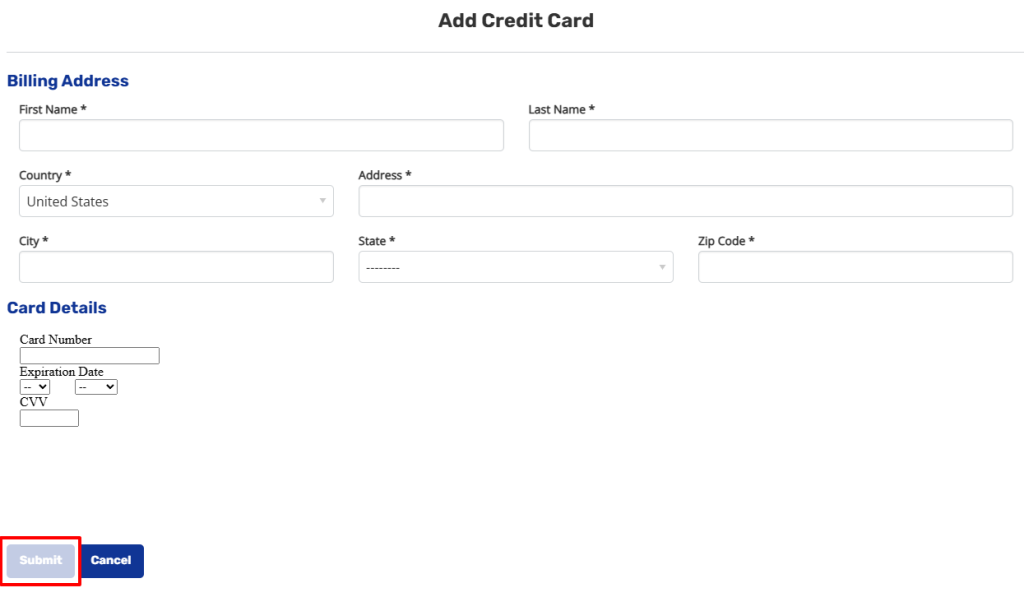
3. Fill out all the required details, and click submit:


4. Success you have added a payment method!


How to Pay an invoice:

1. First Click on Account, and go to Invoices:

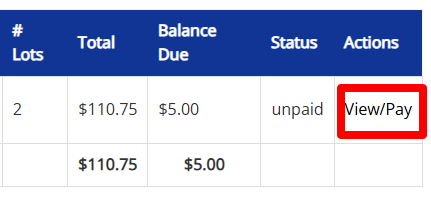
2. Click View/Pay on any invoice:

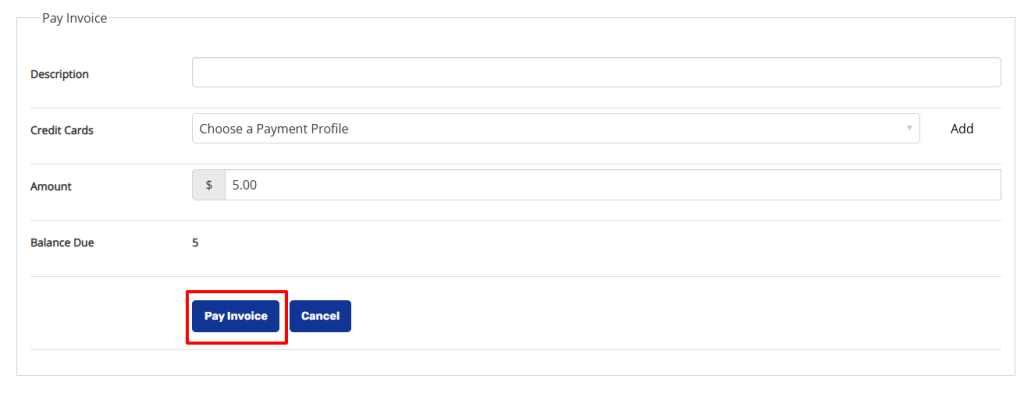
3. Click Pay invoice:

4. Select your payment profile, fill out the amount (balance due will auto populate in this field) and click Pay Invoice.

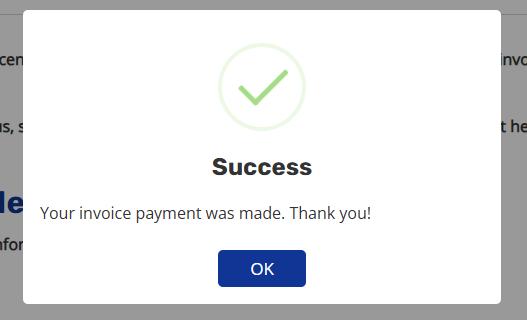
5. Success! You have paid your invoice!

Note: We do not require a deposit, nor do we auto charge any payment method added.

The Most Sought-After Electrical Items at Auctions

Industrial auctions are treasure troves of opportunity for businesses looking to acquire electrical equipment. Whether you’re a seasoned buyer or exploring auctions for the first time, understanding the common electrical equipment you’ll find at industrial auctions can help you make informed decisions and maximize value. This article highlights the most frequently auctioned items, their applications, and how platforms like Bidding.LibraLiquidity.com connect buyers with the resources they need.


Why Electrical Equipment is a Staple at Industrial Auctions

Electrical equipment is essential across industries, and surplus or pre-owned items often find their way to auctions. Businesses liquidate unused assets for cash flow, while buyers take advantage of cost-effective deals to expand or maintain their operations.


Common Electrical Equipment You’ll Find at Industrial Auctions

1. Transformers

  • Purpose: Convert voltage levels to suit different applications.
  • Why They’re Auctioned: Upgrades or facility closures often leave surplus transformers in excellent condition.

2. Circuit Breakers

  • Purpose: Protect electrical circuits by interrupting current flow during overloads.
  • Auction Appeal: Durable and reusable, these are a staple in industrial auctions.

3. Switchgear

  • Purpose: Control, protect, and isolate electrical equipment.
  • Applications: Common in manufacturing facilities and energy plants.
  • Auction Value: Buyers often find significant savings compared to new units.

4. Motors

  • Purpose: Convert electrical energy into mechanical motion.
  • Auction Insight: Industrial auctions often feature motors of various capacities, from small-scale to heavy-duty.

5. Generators

  • Purpose: Provide backup or primary power sources.
  • Popular Among: Construction companies, hospitals, and manufacturing plants.
  • Why Auctions Work: Reliable generators are in high demand, and auctions are a cost-effective sourcing solution.

6. Cables and Wiring

  • Purpose: Facilitate power distribution and connectivity.
  • Why They’re Popular: Unused inventory or bulk quantities often appear in auctions, offering significant discounts.

7. Control Panels

  • Purpose: Centralize control for electrical systems.
  • Applications: Found in automation, manufacturing, and energy facilities.
  • Auction Insights: Buyers often secure highly specialized control panels at competitive prices.

8. Lighting Equipment

  • Purpose: Provide industrial-grade illumination.
  • Typical Listings: LED lights, high bay fixtures, and outdoor lighting solutions.

Real-World Examples of Auction Success

Case Study 1: Facility Upgrade Savings A manufacturing company purchased transformers and switchgear through Bidding.LibraLiquidity.com. By sourcing equipment at auction, they saved 40% compared to new purchases.

Case Study 2: Expanding Operations A construction firm secured backup generators at an industrial auction, enabling seamless power supply at remote project sites.

Stat: According to industry data, buyers save an average of 30% when acquiring electrical equipment at auctions.


Tips for Buying Electrical Equipment at Auctions

  1. Research the Items:
    • Review specifications, maintenance history, and condition before bidding.
  2. Set a Budget:
    • Factor in additional costs like transportation or repairs.
  3. Inspect Listings:

Why Choose Libra Liquidity for Your Electrical Equipment Needs?

Libra Liquidity specializes in connecting sellers with serious buyers in the industrial electrical space. With global reach, secure transactions, and a vast inventory, Bidding.LibraLiquidity.com is your go-to platform for acquiring electrical equipment.


Conclusion: Find Your Next Electrical Solution at Auction

Understanding the common electrical equipment you’ll find at industrial auctions can streamline your search and ensure you secure the right tools for your operations. From transformers to control panels, these auctions offer unparalleled opportunities to save money and boost efficiency.

Ready to explore upcoming auctions? Visit Libra Liquidity today and start bidding on Bidding.LibraLiquidity.com. Don’t miss your chance to upgrade your operations with high-quality, cost-effective equipment!

Unlock Hidden Wealth: Master Arbitrage with Libra Liquidity Auctions

If you’ve been looking to dive into arbitrage sales, one excellent yet often overlooked source is the world of auctions. Specifically, Libra Liquidity Auctions can be a lucrative platform to buy products at a low cost and resell them at a higher price on other markets. This guide will help you understand how to leverage Libra Liquidity Auctions for successful arbitrage.

What is Arbitrage in Auctions?

Arbitrage in the auction space involves purchasing products at a lower price from auctions and selling them on other platforms, such as Amazon or eBay, for a profit. Auctions like those offered by Libra Liquidity Auctions provide a steady stream of discounted goods that are perfect for resellers looking to take advantage of price discrepancies across different marketplaces.

What Are Libra Liquidity Auctions?

Libra Liquidity Auctions are online auction events where companies liquidate excess inventory, overstocks, or returned items. These auctions provide products at a fraction of the retail price, creating an excellent opportunity for arbitrage. The variety of items is broad, covering everything from electronics and household items to apparel and more.

Why Choose Libra Liquidity Auctions for Arbitrage?

Wide Product Selection: Libra offers a vast array of products that appeal to various markets, allowing you to diversify your inventory.
Competitive Pricing: Since auction prices are often below retail, the potential for profit through reselling is significant.
Reliability: Libra Liquidity Auctions are known for their transparent bidding processes, so you can trust the integrity of each auction and the product descriptions.

Steps to Start Arbitrage with Libra Liquidity Auctions

  1. Conduct Market Research
    Before placing bids, research popular products in the resale market. Check pricing trends on platforms like eBay and Amazon to ensure you understand which items have a good resale value.
    Look for items with consistent demand, as these are more likely to sell quickly and for a good margin.
  2. Set a Budget and Bidding Strategy
    Determine a budget that aligns with your profit goals. Avoid over-bidding, which can cut into your profit margins.
    Consider using bidding tools available through Libra Liquidity Auctions to help automate and streamline the bidding process.
  3. Calculate All Associated Costs
    Be sure to factor in all costs associated with purchasing, storing, and shipping the product. Auction fees, shipping costs, and platform fees on Amazon or eBay will impact your final profit.
    If possible, look for items that are easy to ship or have low storage costs to keep expenses manageable.
  4. Manage Your Inventory Efficiently
    Once you’ve won items, list them quickly on your chosen reselling platform. Speed is essential in arbitrage to keep cash flow steady and minimize storage fees.
    Use inventory management software if you’re purchasing in high volume to stay organized and efficient.
  5. Optimize Listings for Fast Sales
    On platforms like Amazon, take advantage of well-written descriptions, quality photos, and keywords that resonate with potential buyers.

Maximizing Profits with Arbitrage on Libra Liquidity Auctions

The key to success in arbitrage through auctions is volume and efficiency. By regularly participating in Libra Liquidity Auctions, you can consistently find valuable items to resell at a profit. Be diligent in tracking costs, optimizing listings, and monitoring market trends. Over time, as you become more familiar with Libra’s platform and auction dynamics, you can develop a refined approach that boosts your profit potential.

Final Thoughts

Libra Liquidity Auctions offer a promising avenue for anyone looking to succeed in arbitrage sales. With the right research, careful bidding, and efficient inventory management, you can turn auction buys into profitable resales. Arbitrage in the auction space is an exciting opportunity, and with platforms like Libra, it’s more accessible than ever.