1-716-427-0892  |  Mon-Fri: 8AM - 3PM (EST)  |  Sat & Sun: Closed

The Auction Advantage: Selling Electrical Equipment Quickly and Easily

In the fast-paced industrial world, the ability to sell unused or surplus electrical equipment efficiently is crucial. Selling electrical equipment quickly and easily has become a reality, thanks to the rise of online auction platforms. These platforms offer unparalleled speed, convenience, and global reach, making them the go-to solution for businesses looking to maximize value while minimizing effort. This article explores the auction advantage and why it’s transforming the way electrical equipment is sold.


Why Choose Auctions for Selling Electrical Equipment?

Online auctions simplify the process of selling electrical equipment, offering several key benefits over traditional sales methods:

  1. Speedy Transactions
    • Auctions are designed for rapid turnover. With predefined timelines, sellers know exactly when their equipment will be sold, eliminating the uncertainty of long sales cycles.
  2. Global Audience
    • Platforms like Bidding.LibraLiquidity.com connect sellers with a vast network of buyers from around the world, increasing the likelihood of finding the right buyer quickly.
  3. Transparent Pricing
    • Auctions foster competitive bidding, ensuring sellers receive fair market value for their equipment.
  4. Convenience
    • From listing items to finalizing sales, online auctions handle the heavy lifting, allowing sellers to focus on their core business activities.

The Auction Process: How It Works

1. Listing Your Equipment

Sellers start by creating a detailed listing of their electrical equipment, including descriptions, photos, and certifications. Accurate information attracts more buyers and ensures a smooth process.

2. Bidding Begins

Once listed, items are presented to a global audience. Buyers place competitive bids, driving the price up to its fair market value.

3. Sale Completion

At the end of the auction, the highest bidder wins, and the platform facilitates payment and logistics, ensuring a seamless transaction for both parties.


Case Study: Real-World Auction Success

Example: A manufacturing company in Texas had surplus circuit breakers and transformers after upgrading its facility. Using Libra Liquidity, they listed the equipment in an online auction. Within 14 days, all items were sold, generating $50,000 in revenue and saving significant storage costs.

Statistic: Online auctions reduce time-to-sale by 30% compared to traditional methods, according to industry research.


Tips for Selling Electrical Equipment Quickly and Easily

  1. Provide Detailed Descriptions
    • Include specifications, condition, and certifications to give buyers confidence in their purchase.
  2. Use High-Quality Photos
    • Clear, well-lit images make your listings stand out and attract more bidders.
  3. Set Realistic Expectations
    • Work with the auction platform to set appropriate reserve prices, ensuring you meet your revenue goals.
  4. Choose the Right Platform

Why Libra Liquidity is the Ideal Partner

Libra Liquidity specializes in connecting sellers with serious buyers in the industrial electrical space. With years of experience, cutting-edge technology, and a commitment to customer success, they make selling electrical equipment quickly and easily a reality.


Conclusion: Simplify Your Sales with Auctions

Selling surplus electrical equipment doesn’t have to be a hassle. Online auctions provide a fast, easy, and profitable solution that benefits both sellers and buyers. If you’re ready to experience the auction advantage, explore Libra Liquidity today and list your equipment on Bidding.LibraLiquidity.com. Don’t let your equipment gather dust—turn it into revenue now!


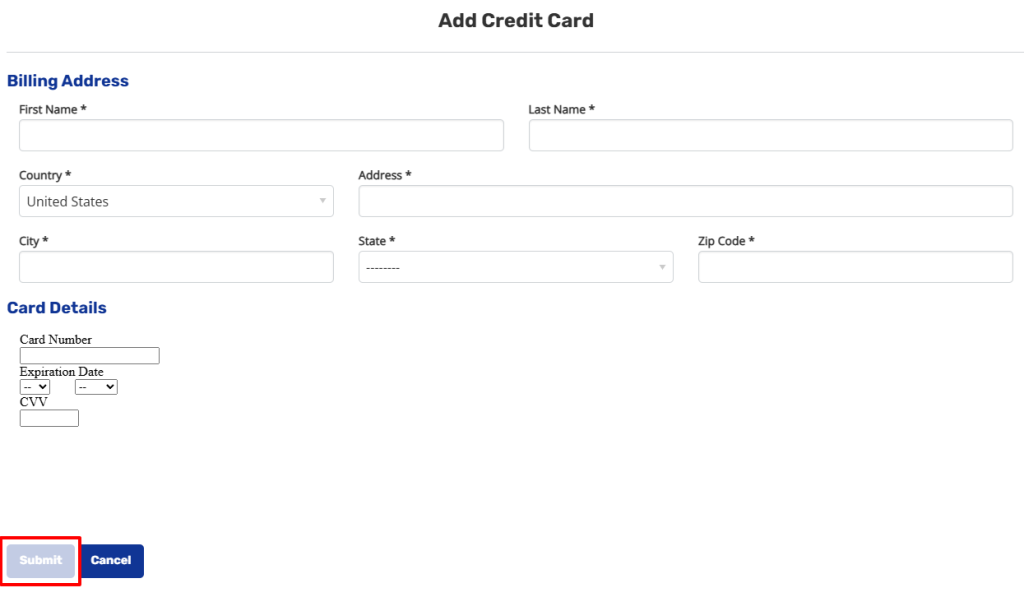
How to: Seamless Integrated Payments


How to Add Payment method:

1. Navigate to My Account, and click Payment Methods


2. Click Add new Payment Method:


3. Fill out all the required details, and click submit:


4. Success you have added a payment method!


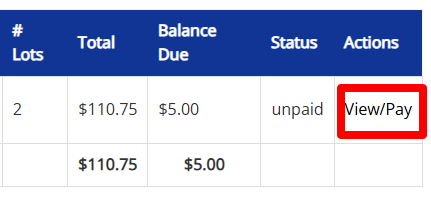
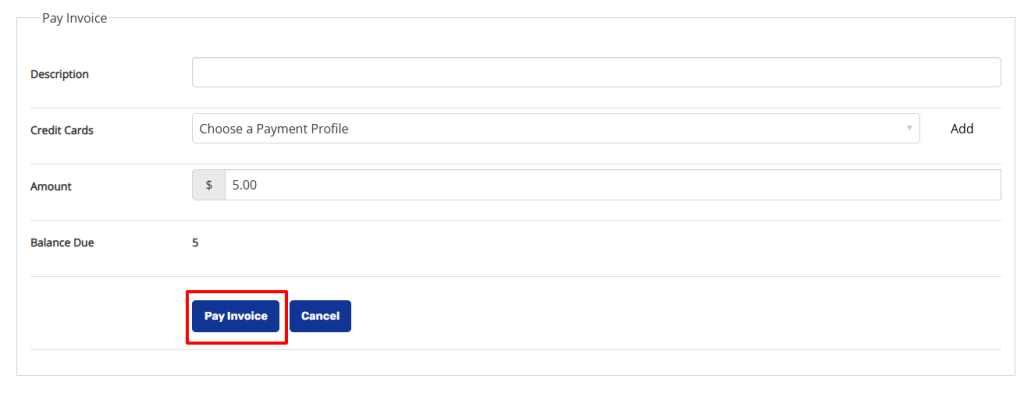
How to Pay an invoice:

1. First Click on Account, and go to Invoices:

2. Click View/Pay on any invoice:

3. Click Pay invoice:

4. Select your payment profile, fill out the amount (balance due will auto populate in this field) and click Pay Invoice.

5. Success! You have paid your invoice!

Note: We do not require a deposit, nor do we auto charge any payment method added.

How to Prepare Your Electrical Equipment for Auction: A Seller’s Checklist

Selling electrical equipment through auctions can be a profitable and efficient way to move surplus or unused items. However, to maximize returns, proper preparation is key. This comprehensive guide on how to prepare your electrical equipment for auction: a seller’s checklist will help you navigate the process and ensure your listings attract serious buyers.


Why Preparing Your Electrical Equipment Matters

Well-prepared equipment not only attracts more bidders but also secures higher sale prices. Buyers look for transparency, reliability, and value. By following this checklist, sellers can create compelling listings that stand out in competitive auction platforms like Bidding.LibraLiquidity.com.


Checklist for Preparing Your Electrical Equipment for Auction

1. Assess the Condition of Your Equipment

  • Inspect all items for damage, wear, or missing parts.
  • Test functionality to ensure the equipment is operational. Non-working items can still sell but must be accurately described.
  • Note any repairs or maintenance performed.

2. Gather Documentation

  • Provide user manuals, maintenance logs, and certifications.
  • Documentation adds credibility and helps buyers make informed decisions.

3. Clean and Present Equipment Professionally

  • Thoroughly clean the equipment to enhance its appearance.
  • Remove labels, personal identifiers, or proprietary information.
  • If possible, repaint or touch up surfaces to make the equipment look well-maintained.

4. Capture High-Quality Photos

  • Take clear, well-lit photos from multiple angles.
  • Highlight important details like serial numbers, labels, or certifications.
  • Include close-ups of key components or features.

5. Write Detailed and Accurate Descriptions

  • Include specifications such as model number, year of manufacture, dimensions, and capacity.
  • Mention the condition, any repairs, and whether accessories or spare parts are included.
  • Be transparent about any known issues or limitations.

6. Set Realistic Expectations

  • Research the market value of similar equipment.
  • Work with the auction platform to set a reserve price if necessary.

7. Choose the Right Auction Platform

  • Opt for a reputable platform like Libra Liquidity that specializes in industrial electrical equipment.
  • Check for features like global reach, secure transactions, and robust customer support.

Real-World Success: Case Study

Example: A seller with surplus industrial transformers used Bidding.LibraLiquidity.com to auction their items. By following this checklist, they attracted 30% more bids than similar listings and achieved a 25% higher sale price. Clean photos and detailed descriptions played a significant role in their success.


Pro Tips for Successful Auctions

  • Leverage Keywords: Use relevant keywords in your listing titles and descriptions to increase visibility.
  • Engage With Buyers: Answer questions promptly and provide additional details when requested.
  • Monitor Auction Progress: Stay informed about bidder activity and be prepared to adjust strategies if necessary.

Conclusion: Unlock Maximum Value with Proper Preparation

Selling electrical equipment through auctions doesn’t have to be overwhelming. By following this guide on how to prepare your electrical equipment for auction: a seller’s checklist, you can attract serious buyers, maximize your profits, and ensure a smooth transaction.

Ready to list your equipment? Visit Libra Liquidity today and start your auction journey on Bidding.LibraLiquidity.com. Don’t let your unused equipment gather dust—turn it into revenue with ease!

The Truth About Reserve Prices in Industrial Auctions

Reserve prices play a crucial role in industrial auctions, ensuring sellers achieve fair value while maintaining buyer interest. Understanding how reserve prices work in industrial auctions can help both parties navigate the process effectively and optimize outcomes. This article explores the concept of reserve prices, how they impact auctions, and strategies for success.


What is a Reserve Price?

A reserve price is the minimum amount a seller is willing to accept for an item in an auction. If bids do not meet or exceed this threshold, the item remains unsold. Reserve prices offer sellers control over the sale outcome while signaling to buyers the value placed on the item.


Why Are Reserve Prices Important?

For Sellers

  • Protection Against Undervalued Sales: Ensures items are not sold for less than their worth.
  • Confidence in Auction Outcomes: Sellers can set a baseline price that aligns with their financial goals.

For Buyers

  • Clarity on Expectations: Provides an indication of the minimum value required to secure the item.
  • Encourages Serious Bidding: Reserve prices attract committed buyers who recognize the value of the items.

How Reserve Prices Affect Auctions

1. Bidding Dynamics

  • Reserve prices influence the starting bid and the overall competition. A well-set reserve price can encourage active bidding.

2. Buyer Perception

  • Transparent reserve prices build trust and encourage participation, whereas undisclosed reserves can deter buyers.

3. Auction Outcomes

  • Auctions with reasonable reserve prices often result in higher final bids, as buyers are motivated to meet the threshold.

Setting an Effective Reserve Price

1. Research Market Value

  • Analyze the market to determine the average price for similar items. Platforms like Bidding.LibraLiquidity.com provide insights into historical auction data.

2. Balance Fairness and Competitiveness

  • A reserve price that is too high may discourage bids, while a low reserve could lead to undervalued sales.

3. Use Professional Guidance

  • Consult with auction experts or platform representatives to set an optimal reserve price.

Real-World Example of Reserve Prices

Case Study: A construction company listed a surplus transformer with a reserve price of $10,000 on Bidding.LibraLiquidity.com. After competitive bidding, the item sold for $15,000, exceeding expectations. Without a reserve price, the item could have sold for as little as $7,000.

Stat: According to industry data, items with well-set reserve prices attract 20% more bids compared to those without a reserve.


Tips for Buyers and Sellers

For Sellers:

  1. Be Transparent: Clearly communicate reserve prices when allowed by the platform.
  2. Set Realistic Expectations: Align reserve prices with current market trends.

For Buyers:

  1. Understand the Rules: Know whether reserve prices are disclosed or hidden.
  2. Plan Your Budget: Be prepared to meet or exceed reserve prices for high-demand items.

Understanding how reserve prices work in industrial auctions empowers both buyers and sellers to achieve favorable outcomes. Reserve prices protect sellers’ interests, encourage competitive bidding, and build buyer confidence, creating a win-win environment.

Ready to harness the power of reserve prices? Visit Libra Liquidity to learn more or explore upcoming auctions at Bidding.LibraLiquidity.com. Start your auction journey today!

The Most Sought-After Electrical Items at Auctions

Industrial auctions are treasure troves of opportunity for businesses looking to acquire electrical equipment. Whether you’re a seasoned buyer or exploring auctions for the first time, understanding the common electrical equipment you’ll find at industrial auctions can help you make informed decisions and maximize value. This article highlights the most frequently auctioned items, their applications, and how platforms like Bidding.LibraLiquidity.com connect buyers with the resources they need.


Why Electrical Equipment is a Staple at Industrial Auctions

Electrical equipment is essential across industries, and surplus or pre-owned items often find their way to auctions. Businesses liquidate unused assets for cash flow, while buyers take advantage of cost-effective deals to expand or maintain their operations.


Common Electrical Equipment You’ll Find at Industrial Auctions

1. Transformers

  • Purpose: Convert voltage levels to suit different applications.
  • Why They’re Auctioned: Upgrades or facility closures often leave surplus transformers in excellent condition.

2. Circuit Breakers

  • Purpose: Protect electrical circuits by interrupting current flow during overloads.
  • Auction Appeal: Durable and reusable, these are a staple in industrial auctions.

3. Switchgear

  • Purpose: Control, protect, and isolate electrical equipment.
  • Applications: Common in manufacturing facilities and energy plants.
  • Auction Value: Buyers often find significant savings compared to new units.

4. Motors

  • Purpose: Convert electrical energy into mechanical motion.
  • Auction Insight: Industrial auctions often feature motors of various capacities, from small-scale to heavy-duty.

5. Generators

  • Purpose: Provide backup or primary power sources.
  • Popular Among: Construction companies, hospitals, and manufacturing plants.
  • Why Auctions Work: Reliable generators are in high demand, and auctions are a cost-effective sourcing solution.

6. Cables and Wiring

  • Purpose: Facilitate power distribution and connectivity.
  • Why They’re Popular: Unused inventory or bulk quantities often appear in auctions, offering significant discounts.

7. Control Panels

  • Purpose: Centralize control for electrical systems.
  • Applications: Found in automation, manufacturing, and energy facilities.
  • Auction Insights: Buyers often secure highly specialized control panels at competitive prices.

8. Lighting Equipment

  • Purpose: Provide industrial-grade illumination.
  • Typical Listings: LED lights, high bay fixtures, and outdoor lighting solutions.

Real-World Examples of Auction Success

Case Study 1: Facility Upgrade Savings A manufacturing company purchased transformers and switchgear through Bidding.LibraLiquidity.com. By sourcing equipment at auction, they saved 40% compared to new purchases.

Case Study 2: Expanding Operations A construction firm secured backup generators at an industrial auction, enabling seamless power supply at remote project sites.

Stat: According to industry data, buyers save an average of 30% when acquiring electrical equipment at auctions.


Tips for Buying Electrical Equipment at Auctions

  1. Research the Items:
    • Review specifications, maintenance history, and condition before bidding.
  2. Set a Budget:
    • Factor in additional costs like transportation or repairs.
  3. Inspect Listings:

Why Choose Libra Liquidity for Your Electrical Equipment Needs?

Libra Liquidity specializes in connecting sellers with serious buyers in the industrial electrical space. With global reach, secure transactions, and a vast inventory, Bidding.LibraLiquidity.com is your go-to platform for acquiring electrical equipment.


Conclusion: Find Your Next Electrical Solution at Auction

Understanding the common electrical equipment you’ll find at industrial auctions can streamline your search and ensure you secure the right tools for your operations. From transformers to control panels, these auctions offer unparalleled opportunities to save money and boost efficiency.

Ready to explore upcoming auctions? Visit Libra Liquidity today and start bidding on Bidding.LibraLiquidity.com. Don’t miss your chance to upgrade your operations with high-quality, cost-effective equipment!